
Bangladesh’s University Hostels: When Roommate Selection Turns Violent
Advertisement
| Introduction In Bangladesh’s universities, securing a hostel seat is only half the battle—the real challenge begins when students discover who they must share a room with. What should be a simple administrative decision often becomes a high-stakes political game, where student factions clash over dormitory allocations, leading to intimidation, violence, and even academic sabotage.  From midnight evictions to targeted harassment, the politics of roommate selection reveals a darker side of campus life. Why does this happen? Who controls these decisions? And what can students do to protect themselves? The Hostel Hierarchy: Who Controls the Rooms? University hostels in Bangladesh are rarely neutral spaces. Instead, they operate under shadow systems of control, where: ✔ Student political groups (e.g., Chhatra League, Chhatra Dal) influence allocations. ✔ Senior students unofficially dictate who gets which room. ✔ Administrators often turn a blind eye, fearing backlash from powerful student wings. A 2023 study by the Bangladesh Education Watch found: 68% of students reported political bias in hostel seat distribution. 42% had witnessed roommates being forcibly evicted due to political rivalries. 31% admitted to paying bribes (money or favors) to secure better accommodations. Case Studies: When Roommate Politics Turns Dangerous Case 1: The Midnight Eviction at Dhaka University (2022) A first-year student was woken at 2 AM by seniors demanding he vacate his room for a "more deserving" candidate aligned with the ruling student party. When he refused, his belongings were thrown into the hallway. University authorities called it a "misunderstanding." Lesson: Power imbalances leave freshmen vulnerable to coercion. Case 2: The Medical Student Who Fought Back (2023) At a prominent medical college, a female student was pressured to switch rooms after her roommate (a student leader) accused her of "disloyalty" for not attending political rallies. She filed a formal complaint—only to face social isolation and failing grades in "mysteriously" deducted marks. Lesson: Retaliation against dissenters is systemic. Why Does This Happen? The Roots of Hostel Politics Political Recruitment Grounds – Parties use hostels to groom future leaders. Economic Incentives – Control over rooms means control over black-market seat sales. Social Control – Isolating "non-compliant" students weakens opposition voices. Administrative Complicity – Fear of student protests leads to lax enforcement. The Consequences: Beyond Just Bad Roommates For Students: ✔ Academic sabotage – Targeted students face unexplained exam irregularities. ✔ Mental health crises – Anxiety, depression, and dropout rates spike among victims. ✔ Physical violence – Beatings, arson, and even knife attacks have been reported. 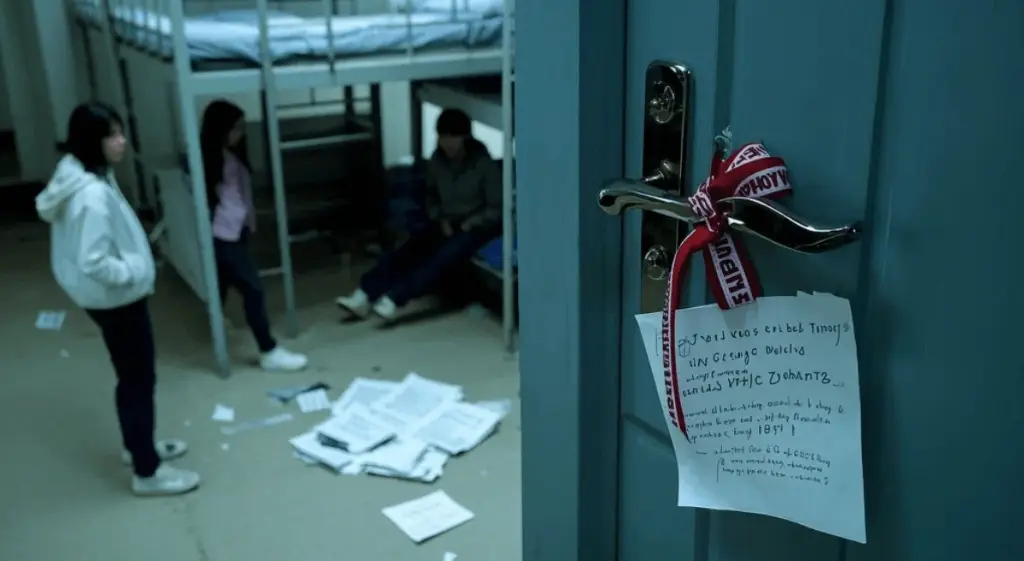 For Universities: ✔ Eroded reputation – Global rankings suffer due to campus unrest. ✔ Legal liabilities – Families increasingly sue for negligence. ✔ Brain drain – Top talent transfers abroad to escape toxic environments. Fighting Back: What Students Can Do If You’re Targeted: ✔ Document everything – Save texts, photos, and witness statements. ✔ Form ally networks – Strength in numbers deters bullies. ✔ Go public strategically – Media exposure can force admin action (but risks backlash). For Reform-Minded Students: ✔ Demand transparent allotment – Push for computerized, randomized systems. ✔ Create neutral student unions – Counterbalance political factions. ✔ Leverage alumni pressure – Graduates have influence over university policies. Where to Seek Help Ain o Salish Kendra (ASK) – Legal aid for education-related harassment. University Counseling Services – Confidential mental health support. Anti-Corruption Commission – For bribery/extortion complaints. Is Change Possible? Signs of Progress & Resistance Hopeful Developments: ✔ Some private universities now use algorithm-based room assignments. ✔ Social media campaigns like **#SafeHostelsBD** amplify victims’ voices. Ongoing Challenges: ✔ Political parties still treat campuses as recruiting grounds. ✔ Whistleblowers risk academic and physical retaliation. Conclusion: Reclaiming the Right to Education A university hostel should be a place of learning—not a battleground. While systemic change requires policy reforms, individual students can resist by documenting abuses and supporting each other. The classroom belongs to scholars, not warlords. Disclaimer: This article discusses documented trends. Specific experiences vary; consult local resources for personalized guidance. |
wendy
|
2025.04.02
Advertisement


