| Introduction In Bangladesh’s bustling garment industry—the backbone of its economy—millions of women work long hours under immense pressure. But for many, the greatest challenge isn’t meeting production targets; it’s navigating the dangerous terrain of workplace harassment. When a manager’s "friendly" attention turns into unwanted advances, refusing can mean losing promotions, facing retaliation, or even being forced out of a job. The global **#MeToo movement** has shed light on workplace harassment worldwide, but in Bangladesh, cultural stigma and economic dependency often silence victims. This article examines the risks garment workers face, real-life cases, legal protections, and resources for those seeking help. 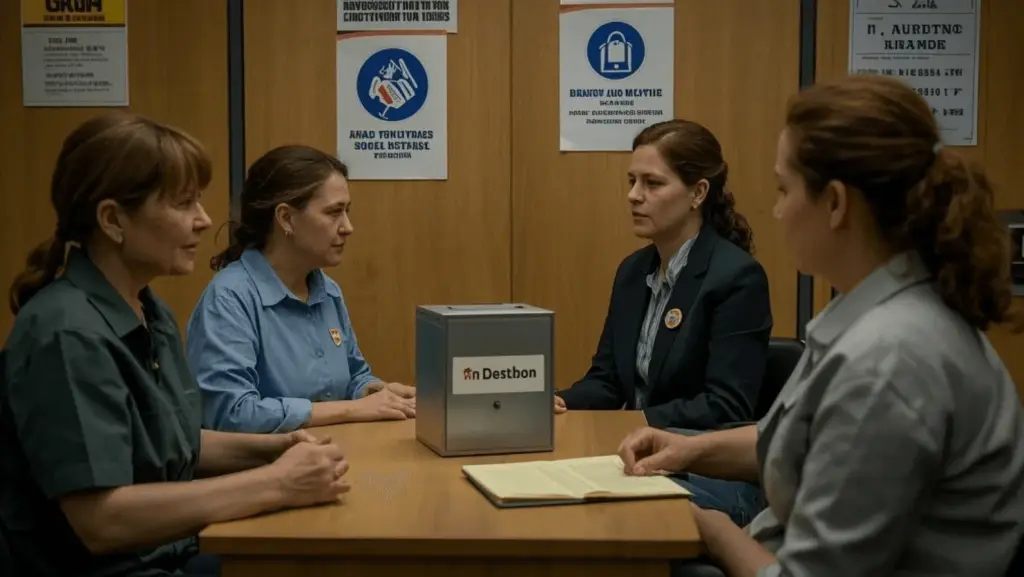 The Reality of Workplace Harassment in Bangladesh’s Garment Sector Bangladesh’s ready-made garment (RMG) industry employs over 4 million workers, 80% of whom are women. Many come from rural areas, relying on factory jobs for survival. Unfortunately, this power imbalance makes them vulnerable to exploitation. Common Forms of Harassment Reported: Verbal harassment – Inappropriate comments, jokes, or threats. Sexual coercion – Demands for favors in exchange for job security. Retaliation – Denied overtime, unfair dismissals, or transfers after rejection. Physical intimidation – Unwanted touching or blocking movement. A 2022 study by the Solidarity Center found that 1 in 3 female garment workers in Bangladesh experienced harassment, but fewer than 5% reported it, fearing job loss or social shame. Case Studies: When Speaking Up Leads to Consequences Case 1: The Factory Supervisor’s Ultimatum (2021) A young worker in Dhaka was repeatedly pressured by her supervisor to meet him outside work. When she refused, her shifts were cut, and she was assigned harder tasks. After months of stress, she quit—only to struggle finding another job due to an unofficial "blacklist" of "troublemakers." Lesson: Many factories lack proper grievance systems, forcing victims to choose between abuse and unemployment. Case 2: The Union Activist’s Fight (2023) A union leader in Chittagong exposed a manager who harassed multiple workers. Instead of disciplinary action, the manager was transferred, while the activist faced threats. The case gained media attention, leading to protests but no legal consequences for the accused. Lesson: Even with evidence, accountability is rare without external pressure. Legal Protections (and Their Shortcomings) Bangladesh has laws against workplace harassment, including: The Labour Act (2006) – Requires factories to form anti-harassment committees. The High Court Guidelines (2009) – Mandates policies against gender-based harassment. Yet, enforcement remains weak: 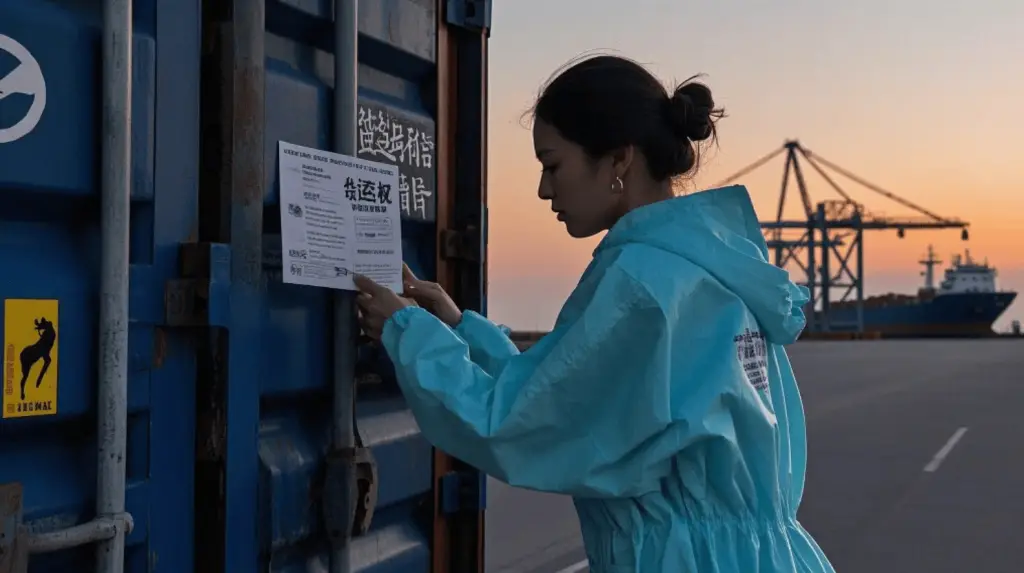 Many factories ignore legal requirements. Workers fear retaliation if they complain. Cases drag on for years without resolution. Labor Rights Advocate Perspective: "Laws exist on paper, but without strict monitoring, managers act with impunity. Workers need unions and safe channels to report abuse." — Farida Akhter, Executive Director, UBINIG Why Many Women Stay Silent Economic Dependence – Losing a job means financial ruin for many families. Social Stigma – Victims are often blamed or labeled "immoral." Distrust in Systems – Few believe reporting will lead to justice. Fear of Blacklisting – Factories sometimes share "problematic" workers’ names. Resources for Victims of Harassment If you or someone you know faces harassment: Bangladesh National Women Lawyers’ Association (BNWLA) – Free legal aid for harassment cases. Ain o Salish Kendra (ASK) – Provides counseling and legal support. Garment Workers’ Unions – Some offer confidential reporting channels. Ministry of Labour and Employment – Can investigate formal complaints. How Global Brands Respond (or Fail To) International retailers sourcing from Bangladesh often have corporate social responsibility (CSR) policies requiring safe workplaces. However, audits rarely catch harassment unless workers speak up—which they rarely do. Activists argue: Brands must fund independent worker hotlines. Factories should face penalties for ignoring complaints. Buyers should support unionization for worker protection. Conclusion: Breaking the Silence Bangladesh’s garment workers feed the global fashion industry, yet many pay a hidden price—enduring harassment to keep their jobs. While legal frameworks exist, real change requires stronger enforcement, corporate accountability, and cultural shifts to support survivors. Disclaimer: This article is based on reported cases and studies. Workplace policies vary, and victims should seek legal or organizational support for individual cases. |
alice
|
2025.04.02


