| Introduction In Myanmar’s northern Kachin State, where the world’s most valuable jade is mined, a different kind of transaction is taking place—one that trades marriage certificates for mining rights. Chinese businessmen, barred from directly owning jade concessions, are increasingly wedding local Kachin women to bypass restrictions, creating a web of fraudulent unions, abandoned brides, and exploited resources. 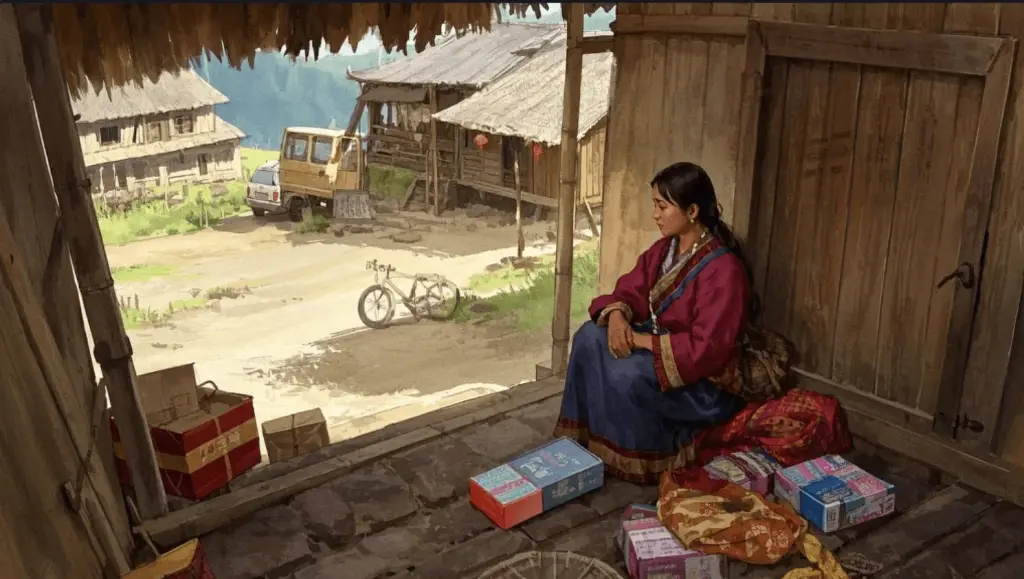 This investigation uncovers how China’s insatiable demand for jade fuels sham marriages, the devastating impact on border communities, and why authorities struggle to stop this gray-market trade. How the "Jade Marriage" System Works The Legal Loophole ✔ Myanmar Law – Only citizens can obtain jade mining permits. ✔ Chinese Workaround – Marry a local woman, register the business in her name. ✔ The Divorce Clause – Many split after permits are secured (estimated 60% dissolve within 2 years). By the Numbers Kachin Women’s Association Thailand (KWAT): 300+ such marriages documented since 2020. Myanmar Ministry of Immigration: 1 in 3 China-MM marriages in Hpakant jade region show signs of fraud. Global Witness Report: Linked these marriages to **$31B in illegal jade trade** (2022). Case Studies: Love or License? The Bride Left Behind (2023, Hpakant) A 22-year-old Kachin woman married a Yunnan trader who secured 3 mining plots in her name. When she refused to sign over full control, he vanished—leaving her liable for $200,000 in debts to his Chinese partners. Lesson: These "wives" often bear legal/financial risks. The Phantom Husband (2022, Muse Border) A jade smuggler married 4 Myanmar women across different towns to multiply his permit access. Authorities only noticed when all 4 applied for widow benefits after his (staged) death. Lesson: Sophisticated networks exploit weak cross-border verification. Why Women Enter These Arrangements Economic Desperation ✔ Poverty Rate: 64% in Kachin’s jade-mining areas (UNDP 2023). ✔ Bride Prices: Chinese traders pay **3,000−10,000** to families—a fortune in Myanmar. Coercion & Deception Some women believe marriages are genuine until abandonment. Others are pressured by debt-trapped relatives. The Ripple Effects On Communities ✔ Resource Drain – Chinese-controlled mines bypass local profit-sharing laws. ✔ Cultural Erosion – Kachin traditions displaced by transactional relationships. ✔ Sex Trafficking Risk – Some "brides" end up in brothels across the border. On the Environment Accelerated Mining – Chinese operators ignore environmental safeguards. Landslides – Unregulated excavations caused 112 deaths in Hpakant (2023 alone). Voices from the Ground Chinese Trader’s Justification (Anonymous): "This is business, not love. Myanmar’s laws force us to be creative." 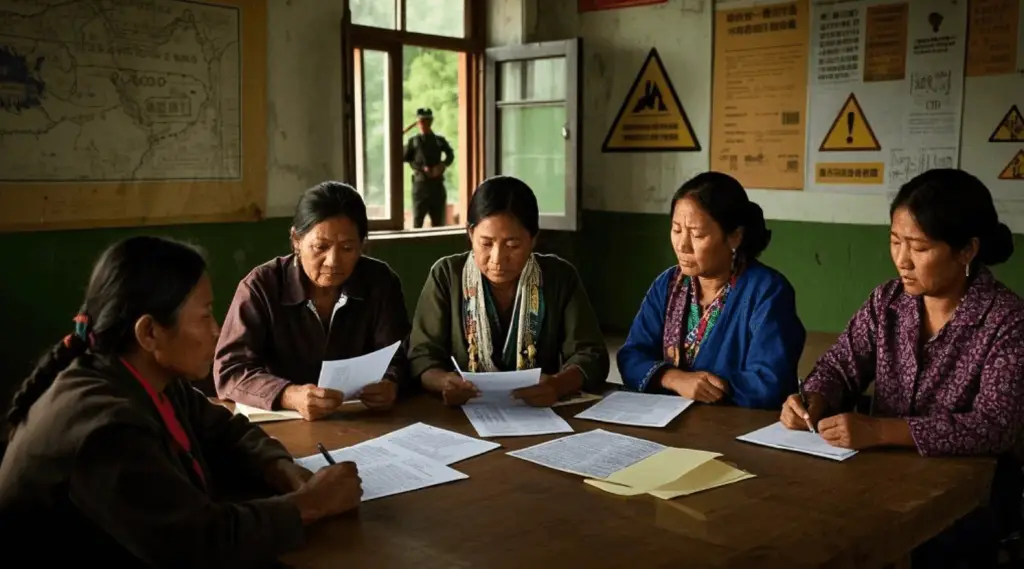 Kachin Activist’s Rebuttal: "They’re stealing our jade and our daughters. These marriages are licenses for rape of land and women." — Moon Nay Li, KWAT spokesperson Authorities’ Weak Response Legal Challenges ✔ Proof Issues – Hard to distinguish real vs fake marriages. ✔ Corruption – Local officials often take bribes to approve permits. ✔ Cross-Border Complexity – China doesn’t recognize these unions as fraudulent. Recent Crackdowns 2024 Myanmar-China Pact: Joint task force to investigate permit marriages. Visa Restrictions – Chinese miners now limited to 3-month stays. Resources for Victims KWAT Helpline: +66 93 297 8614 (assists trafficked brides). Myanmar Women’s Rights Network: Legal aid for abandoned wives. Hpakant Land Rights Group: Fights illegal mining seizures. The Bigger Picture: China’s Shadow Economy Parallel Cases ✔ Africa – Similar marriage-for-mining schemes in Zambia’s copper belt. ✔ Laos – Chinese rubber planters use Lao wives for land titles. Why Myanmar is Unique Jade’s Illicit Value – Easier to smuggle than bulk minerals. Conflict Zone – Kachin’s civil war weakens governance. Conclusion: When Love is a Mining Permit Myanmar’s jade mines reveal a brutal truth: in the global scramble for resources, marriage has become just another contract. Until laws address both human trafficking and resource nationalism, the weddings will continue—leaving shattered lives and plundered lands in their wake. Disclaimer: Not all China-MM marriages are fraudulent. This article examines systemic abuse patterns. |
jack
|
2025.04.02


