| Introduction On April 24, 2013, the Rana Plaza collapse killed 1,134 Bangladeshi garment workers—many of them parents who left behind children with no safety net. A decade later, their orphans have grown up in the shadows of the same factories that claimed their families, forced into child labor to survive. This investigation reveals how industrial disasters create generational poverty cycles, pushing orphaned children into hazardous work while global brands profit from cheap labor. Through survivor accounts and expert analysis, we examine why protections fail and where victims can seek help. 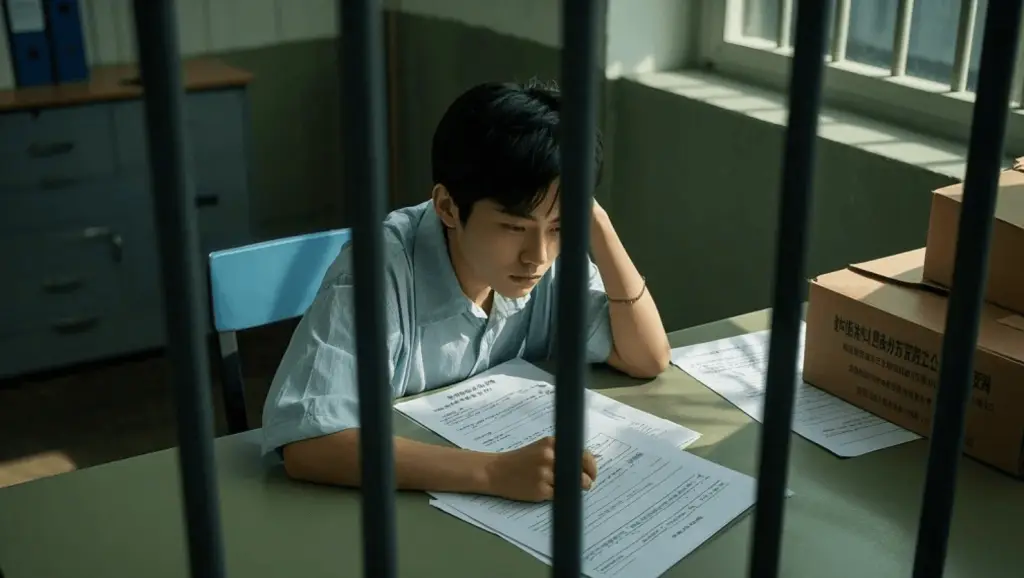 The Ripple Effect of Factory Disasters The Numbers Behind the Crisis ✔ UNICEF Bangladesh (2023): Over 5,000 children lost parents in industrial accidents since 2010. ✔ ILO Report: 62% of these orphans drop out of school, with 1 in 3 entering garment, leather, or shipbreaking work by age 12. ✔ Human Rights Watch: Less than 15% receive promised compensation. Why Children Become Laborers No Social Security – Death benefits (if paid) average just **$1,200 per parent**—enough for 6 months in Dhaka slums. Family Pressure – Relatives prioritize their own children, pushing orphans into factories. Exploitative Recruiters – Middlemen target vulnerable kids with "easy job" promises. Case Studies: Lives Interrupted The Sisters Who Sew (2024, Dhaka) After their mother died in the Tazreen Fashions fire (2012), 14-year-old Jannat and her 11-year-old sister took jobs at a sweater factory. Their wages: **$0.30/hour**—half the adult rate. "We stitch labels for the clothes our mother might have made," Jannat says. Lesson: Supply chains often employ victims' children under worse conditions. The Boy Who Lost Both Parents (Rana Plaza, 2013) Now 17, Arif works in a leather tannery—a job that exposes him to toxic chemicals. His employers don’t know he’s there illegally. "I tell them I'm 18," he admits. His sister, married off at 15, can’t help him. Lesson: Age fraud is rampant among orphaned workers. The Broken Promise of Compensation What Was Pledged After Rana Plaza? ✔ **30millionfund∗∗forvictims’families(only∗∗21m** delivered). ✔ Free education for orphans (just 400 of 3,000 eligible children enrolled). ✔ Job guarantees for adult children (fewer than 100 placements). Where the System Fails Bureaucratic Delays – Some orphans wait years for aid. Corruption – Local officials siphon funds meant for children. No Long-Term Care – Mental health support is nonexistent. Voices from the Ground Factory Owner’s Defense: "We give jobs to survivors’ families. What more can we do?" — Anonymous garment exporter (2024 interview) 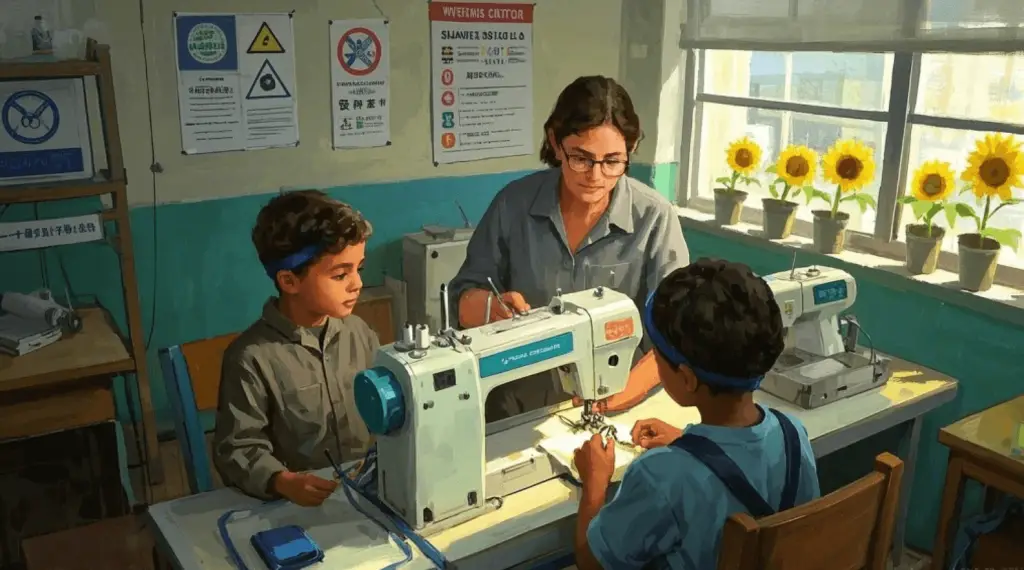 Activist’s Rebuttal: "Hiring orphans to work in unsafe factories isn’t charity—it’s exploitation." — Kalpona Akter, Bangladesh Center for Worker Solidarity How Global Brands Avoid Accountability The "Pass-the-Buck" Supply Chain Western brands claim they don’t own factories, just "order" from them. Local suppliers subcontract to smaller, unregulated workshops. Orphans end up in the least monitored tiers. Case in Point: A European fast-fashion brand’s audit found no child labor in its main facility—but failed to check subcontractors where 11 Rana Plaza orphans were later discovered. Breaking the Cycle: Paths to Justice For Orphans: ✔ Legal Aid – BLAST (Bangladesh Legal Aid) helps claim unpaid compensation. ✔ Education Programs – Underprivileged Children’s Educational Program (UCEP) offers vocational training. ✔ Whistleblower Apps – **"Shobuj Somoy"** lets workers report abuse anonymously. For Consumers: ✔ Demand Transparency – Support brands disclosing full supplier lists. ✔ Ethical Shopping – Certifications like Fair Trade marginally improve conditions. Resources for Victims Rana Plaza Trust – Compensation claims (+880 1819 277 010). Child Helpline Bangladesh – 1098 (report child labor). Karmojibi Nari – Women’s rights group aiding orphaned girls. Conclusion: Who Clothes the World’s Children? Bangladesh’s factory orphans stitch the garments that outfit global consumers—while wearing donated rags themselves. Their plight exposes the hypocrisy of an industry that champions "sustainability" yet discards human lives. Real change requires: ✔ Direct compensation to orphans, not just family members. ✔ Strict subcontractor laws with surprise inspections. ✔ Education stipends to break labor cycles. Until then, the wheels of fast fashion will keep turning—on the backs of those who lost everything to fuel it. Disclaimer: This article critiques systemic failures, not Bangladeshi workers. Many factory owners comply with labor laws; violations persist in informal sectors. |
Andrew
|
2025.04.02


