| Introduction In Singapore’s fast-paced society, foreign domestic workers (FDWs) are the invisible backbone of many households—cooking, cleaning, and caring for children while employers work long hours. But behind closed doors, some of these professional relationships take unexpected turns. From secret affairs to coercive dynamics, the taboo topic of maid-employer relationships remains one of Singapore’s most whispered-about scandals. While most employer-helper relationships remain strictly professional, a small but troubling number cross ethical boundaries, leading to blackmail, broken families, and even deportation. This article explores the hidden world of FDW-employer relationships, the legal and social consequences, and where victims can seek help. 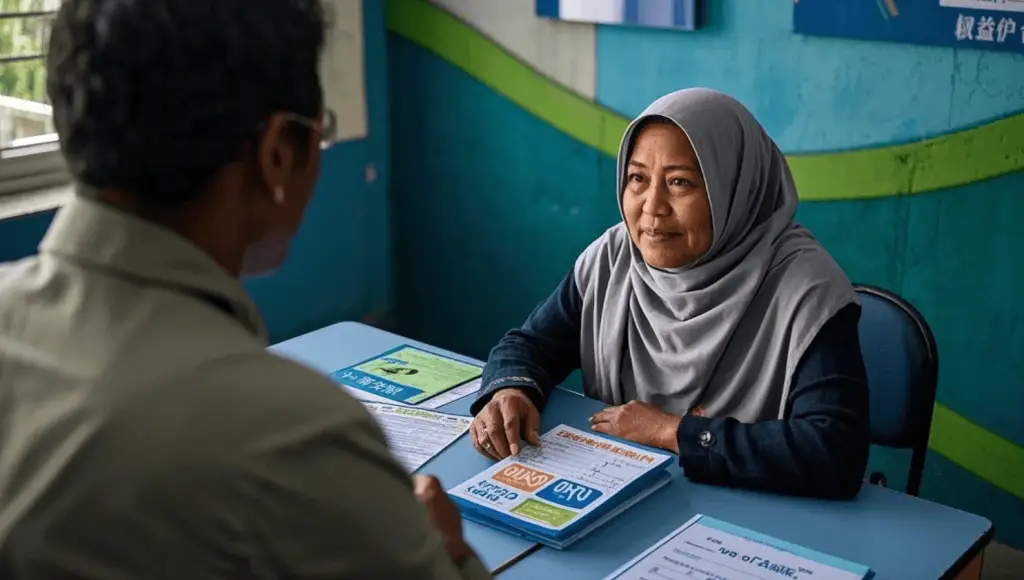 The Reality of Maid-Employer Relationships in Singapore Singapore is home to over 250,000 foreign domestic workers, primarily from Indonesia, the Philippines, and Myanmar. Most enter the country under strict work permits that prohibit romantic or sexual relationships with employers. Yet, cases of secret affairs still surface—sometimes consensual, but often exploitative. Why Do These Relationships Happen? Isolation & Emotional Dependence – Many FDWs spend years away from family, forming deep bonds with employers. Power Imbalance – Employers control work permits, salaries, and living conditions, making refusal risky. Opportunistic Exploitation – Some employers take advantage of their helper’s vulnerable position. Mutual Attraction (Rarely) – A small percentage involve genuine but ill-advised relationships. A 2021 report by Humanitarian Organization for Migration Economics (HOME) found that 1 in 5 FDWs experienced some form of sexual harassment, with a subset involving inappropriate employer advances. Case Studies: When Secrets Turn into Scandals Case 1: The Expat’s Affair & the Blackmail Plot (2020) A British executive in Singapore was reported to authorities after his Indonesian maid alleged sexual coercion. Investigations revealed a six-month affair, which she later used to extort money. Both were deported—the employer for violating work permit rules, the maid for blackmail. Lesson: Even "consensual" relationships can spiral into legal trouble due to power imbalances. Case 2: The Divorce That Exposed a Hidden Relationship (2022) A Singaporean wife discovered her husband was secretly involved with their Filipino helper after finding messages on his phone. The helper was abruptly sent home, and the couple divorced. The case sparked debates about FDW protections and employer accountability. Lesson: Such relationships often end in abrupt terminations, leaving helpers jobless and stigmatized. Legal Consequences: Why These Relationships Are Dangerous Singapore’s Ministry of Manpower (MOM) strictly regulates FDW employment. Key risks include: Work Permit Revocation – Any romantic/sexual relationship violates permit conditions. Deportation – Both parties can be banned from re-entering Singapore. Criminal Charges – If coercion is proven, employers face jail under the Penal Code. Civil Lawsuits – Spouses may sue for alienation of affection. Legal Expert Insight: "Even if both parties claim consent, the inherent power imbalance means the law will side cautiously with the helper. Employers risk losing everything—marriage, career, and residency status." — Amanda Lee, Employment Lawyer The Psychological Toll on Helpers Many FDWs involved in such relationships face: ✔ Sudden job loss – Terminated without reference, making re-employment difficult. ✔ Social shame – Families back home may ostracize them. ✔ Legal limbo – Some stay silent to avoid deportation. ✔ Emotional trauma – Fear, guilt, and depression are common. Resources for Victims & Ethical Employers For Helpers Facing Exploitation: HOME (Humanitarian Organization for Migration Economics) – Provides shelter and legal aid. AWARE (Association of Women for Action and Research) – Counselling for harassment victims. MOM’s FDW Helpline – Official channel for reporting abuse. For Employers Seeking Boundaries: ✔ Maintain professionalism – Avoid oversharing personal issues. ✔ Provide private space – Ensure helpers have personal time. ✔ Use clear contracts – Define duties to prevent blurred lines.  How Agencies & Policymakers Are Responding Stricter Vetting – Some maid agencies now assess employer backgrounds. Mandatory Orientation – New rules educate helpers on their rights. Whistleblower Protections – MOM allows anonymous reporting. Critics argue: More mental health support is needed for FDWs. Employers should face harsher penalties for coercion. Cultural sensitivity training could prevent misunderstandings. Conclusion: Navigating the Thin Line Most FDW-employer relationships remain professional, but the rare exceptions reveal systemic vulnerabilities. For helpers, the stakes are high—job loss, deportation, or worse. For employers, a moment of indiscretion can destroy reputations and families. The solution? Stronger safeguards, ethical employment practices, and open conversations about power dynamics in Singapore’s households. Disclaimer: This article discusses general trends and should not be taken as legal advice. Individual cases vary; consult MOM or a lawyer for specific concerns. |
wendy
|
2025.04.02


