Tourists traveling to Cambodia with hopes of making a difference by volunteering at orphanages may unknowingly be fueling a dark industry. While many visitors believe their time and donations are helping vulnerable children, the reality is far more sinister. A growing number of orphanages in Cambodia operate as for-profit businesses, exploiting children for financial gain. This phenomenon, known as the "orphanage business model," has sparked concerns over child rights violations and the unintended consequences of voluntourism.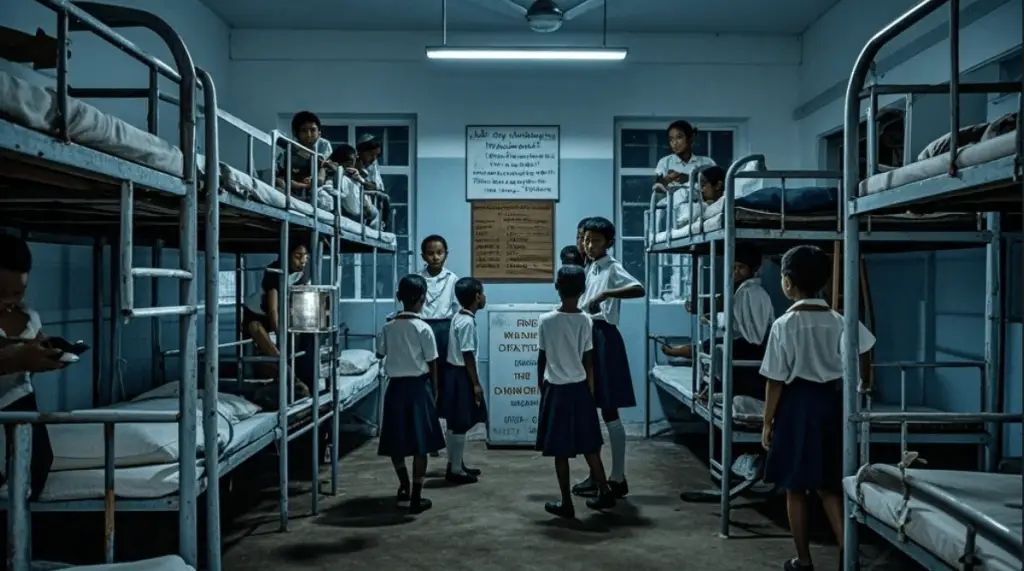 The Rise of the Orphanage Industry in Cambodia In recent years, Cambodia has seen a surge in orphanages, despite a decline in the number of actual orphans. Many of these facilities are privately owned and operate without strict government oversight. The business model is simple: attract well-meaning foreign tourists and volunteers who are willing to donate money and time, often without questioning the legitimacy of the institution. Reports indicate that a significant number of children living in Cambodian orphanages are not actually orphans. Many have at least one living parent but have been placed in institutions due to poverty. Families are often persuaded to send their children away with promises of better education, healthcare, and living conditions. However, once inside the system, these children are used as "bait" to elicit donations from unsuspecting tourists. How Voluntourism Fuels Exploitation Voluntourism—a combination of volunteering and tourism—has become a multi-billion-dollar industry worldwide. While many travelers genuinely want to contribute to humanitarian efforts, their short-term presence in orphanages often does more harm than good. Here’s how voluntourism contributes to the problem: Financial Incentives for Orphanage Operators – Some orphanages are set up solely to attract foreign funding. The more vulnerable the children appear, the more likely tourists are to donate. This encourages the recruitment of children from poor families rather than supporting them within their communities. Unqualified Volunteers – Many tourists have no formal training in childcare or education. Short-term visits can disrupt the children's emotional well-being, as they repeatedly form attachments to volunteers who leave after a few days or weeks. Lack of Proper Background Checks – Some orphanages do not conduct background checks on volunteers, creating potential risks for child safety. The lack of regulations makes it easier for individuals with bad intentions to gain access to vulnerable children. Real-Life Consequences for Cambodian Children Children growing up in orphanages often face long-term psychological and social challenges. Being separated from their families can lead to attachment disorders and emotional trauma. Additionally, children raised in institutions instead of family settings often struggle with reintegration into society later in life. One case involved a young boy who was placed in an orphanage in Phnom Penh despite having living relatives. His mother had been told that he would receive a good education, but instead, he was made to perform for tourists in exchange for donations. When international organizations intervened, it was revealed that the orphanage had no proper schooling programs and was operating solely as a tourist attraction. Efforts to Address the Issue In response to growing concerns, the Cambodian government and child welfare organizations have taken steps to curb the rise of exploitative orphanages: Family-Based Care Initiatives – Authorities and NGOs are working to reunite children with their families and provide financial support to parents so they are not forced to give up their children due to poverty. Stronger Regulations – The government has introduced stricter licensing requirements for orphanages, aiming to shut down unregistered facilities and monitor existing ones more effectively. Raising Awareness Among Tourists – Campaigns have been launched to educate travelers about the risks of voluntourism. Visitors are encouraged to support ethical tourism initiatives that promote community-based support rather than institutional care. What Tourists Can Do Instead If you want to make a positive impact while traveling in Cambodia, consider these alternative ways to support vulnerable children and communities: Donate to Reputable Organizations – Instead of giving money directly to orphanages, support established charities that focus on family-based care and community development. Avoid Volunteering at Orphanages – Short-term volunteering can be harmful. If you wish to contribute, consider working with organizations that provide long-term, sustainable support to families. Support Ethical Businesses – Many social enterprises in Cambodia focus on education, vocational training, and employment for disadvantaged youth. By spending your money at these businesses, you help create sustainable solutions for local communities. 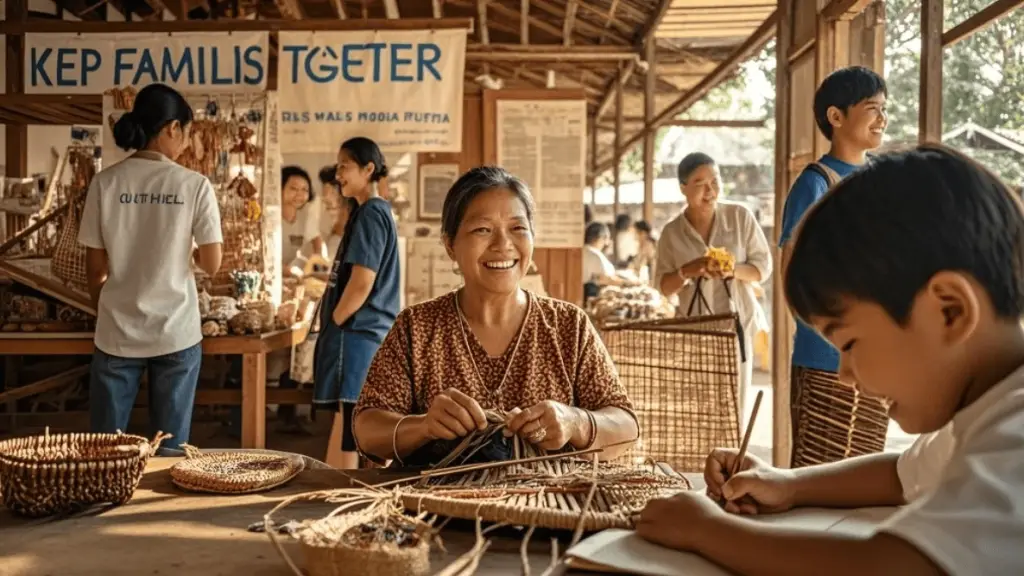 Ask Questions – If you do visit an orphanage, inquire about the children's backgrounds, where donations go, and whether family reunification efforts are in place. Ethical organizations will have transparent answers. Conclusion While many tourists visit Cambodia with good intentions, the orphanage business model exploits their generosity and harms vulnerable children. By being informed and choosing ethical ways to support communities, travelers can help break the cycle of exploitation rather than unintentionally funding it. Disclaimer: This article is for informational purposes only and does not offer legal or travel advice. If you suspect a child is being exploited, consider reaching out to reputable child welfare organizations for guidance. |
alice
|
2025.04.02


