
East Timor’s Child Brides: How Poverty Forces Young Girls into Marriage
Advertisement
| In the rural villages of Timor-Leste (East Timor), childhood often ends far too soon for young girls. Despite modern laws that set the legal age of marriage at 18, many families still follow traditional customs that allow underage marriage—some as young as early adolescence. Economic hardship, cultural expectations, and a lack of legal enforcement contribute to a practice that forces many young girls into marriage before they are physically or emotionally ready. The Reality of Underage Marriage in Timor-Leste Although Timor-Leste’s legal framework prohibits child marriage, the reality in rural areas tells a different story. Traditional customs and economic difficulties mean that some families see marrying off their daughters early as a means of financial relief or social stability.  Several factors contribute to the persistence of child marriage: Poverty and financial hardship – Families struggling to provide food, education, and healthcare may view marriage as a way to ease financial burdens. A husband is seen as someone who can provide for the girl. Dowry traditions – In many communities, the groom’s family pays a "barlake" (bride price) to the bride’s family. This financial transaction encourages early marriages, as parents may see it as an opportunity for economic survival. Lack of education – Many girls in remote areas drop out of school early due to financial struggles or household responsibilities, increasing the likelihood of early marriage. Pressure from tradition and family expectations – Cultural norms in Timor-Leste prioritize family honor and obedience, leading many young girls to accept marriage without question. While official statistics on underage marriage in Timor-Leste are difficult to obtain, reports indicate that a significant number of girls are married before 18, particularly in remote districts where law enforcement is weak. Rural Traditions vs. Modern Laws: A Growing Conflict Timor-Leste’s laws clearly define marriage as an agreement between consenting adults. The Civil Code of Timor-Leste states that both partners must be at least 18 years old to legally marry. However, exceptions allow for marriage at 16 with parental consent, creating a legal loophole that enables underage unions. Traditional village customs often hold more power than national laws. Many local leaders and elders still approve child marriages under customary practices, despite legal restrictions. Since Timor-Leste is a highly communal society, families often adhere to local traditions rather than state laws. This clash between modern legal frameworks and deeply rooted customs creates challenges in enforcing the law. Many child marriages are not officially registered, making it difficult for the government to intervene or track the issue. The Consequences of Child Marriage While some communities see early marriage as a solution to financial or social problems, the impact on young girls is often severe. 1. Limited Education and Economic Dependence Most child brides drop out of school shortly after marriage. Without education or skills, they become financially dependent on their husbands, limiting their ability to break free from poverty. 2. Health Risks and Early Pregnancy Young girls face serious health risks when they become pregnant before their bodies are fully developed. Complications during childbirth, high maternal mortality rates, and malnutrition are common in underage pregnancies. 3. Domestic and Gender-Based Violence Girls who marry young often lack legal and social protections, making them vulnerable to domestic abuse and exploitation. Since many marriages are informal, legal recourse for victims is often limited. 4. Emotional and Psychological Impact Being forced into marriage at a young age can have long-term psychological effects, including anxiety, depression, and low self-esteem. Many child brides struggle with isolation, as they are expected to prioritize their roles as wives and mothers over personal aspirations. Real Stories: Girls Caught in the Cycle Many young girls in Timor-Leste face arranged marriages before they fully understand what it means to be a wife. While some adapt to their new roles, others struggle to escape a life they never chose. Maria’s Story (Name Changed for Privacy) Maria, a 16-year-old girl from a rural district, dreamed of becoming a teacher. However, her family arranged a marriage to a 25-year-old man from a neighboring village, citing financial struggles as the reason. She dropped out of school and was pregnant within a year. "I wanted to continue studying," she says, "but my family said marriage was the best choice for me. Now, I just take care of my home and my baby." 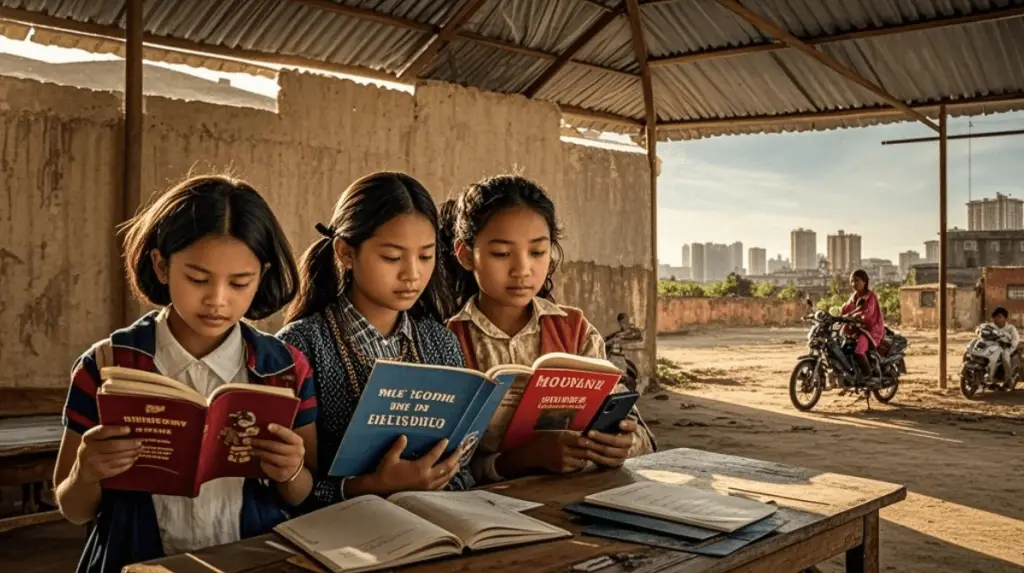 Ana’s Escape (Name Changed for Privacy) Ana, now 18, was promised in marriage at 14 but refused. With the help of a local women's rights group, she was able to stay in school and avoid the forced marriage. Today, she is studying to become a nurse and hopes to help other young girls avoid the same fate. "I was lucky," Ana admits. "But many girls don’t know they have a choice." The Fight Against Child Marriage in Timor-Leste Several organizations and local activists are working to protect girls from forced marriage and ensure they have access to education and support. 1. Government and Legal Reforms While Timor-Leste’s government has made efforts to enforce child marriage laws, challenges remain. Advocacy groups continue to push for: Stronger penalties for those arranging or officiating child marriages. Better education policies that encourage families to keep their daughters in school. Community outreach programs that educate families on the risks of child marriage. 2. Women’s and Children’s Rights Organizations Several NGOs and advocacy groups, such as Alola Foundation, work to empower young girls and provide safe spaces for those escaping forced marriages. These organizations offer: Counseling and support services. Shelters for at-risk girls. Legal assistance for victims of underage marriage. 3. Education as Prevention One of the most effective ways to combat child marriage is by ensuring girls have access to education. Studies show that girls who complete secondary school are significantly less likely to marry before 18. Efforts to improve school accessibility, particularly in rural areas, are crucial in breaking the cycle of poverty and early marriage. Conclusion: A Call for Change Child marriage remains a pressing issue in Timor-Leste, where poverty, tradition, and weak law enforcement create an environment where young girls are pushed into marriage before they are ready. While legal frameworks exist, local customs and economic hardship continue to drive underage unions. Efforts to protect girls must focus on: Stronger law enforcement against child marriage. Education and awareness campaigns targeting rural communities. Greater support for at-risk girls through shelters and social services. By investing in education and empowering young girls, Timor-Leste can move towards a future where marriage is a choice, not a necessity dictated by poverty and tradition. Disclaimer: This article is for informational purposes only and does not encourage or condone actions that violate local laws or customs. Individuals seeking assistance or guidance regarding child marriage should contact local women’s rights organizations. |


