| Arranged marriages remain a deeply rooted tradition in India, with many couples finding lifelong happiness through family-guided unions. However, not all arranged marriages lead to fairytale endings. Rising divorce rates and reports of toxic in-laws highlight the importance of recognizing potential red flags before committing. While arranged marriages can foster strong partnerships, certain warning signs—such as coercion, financial secrecy, or emotional abuse—should never be ignored. This article explores five critical red flags in Indian arranged marriages, offering insights to help individuals make informed decisions while respecting cultural norms.  1. Excessive Pressure from Families The Problem: In traditional arranged marriages, families often play a central role in matchmaking. However, excessive pressure—whether emotional, financial, or social—can signal future problems. Some families may rush decisions, dismiss compatibility concerns, or even threaten estrangement if the match is refused. Warning Signs: **"You’re getting older; settle now!"** – Age-shaming to force acceptance. **"We’ve already paid the dowry; you can’t back out."** – Financial coercion. **"No one else will marry you if you reject this proposal."** – Emotional manipulation. Case Example: A 2022 survey by the Centre for Social Research found that 28% of women in arranged marriages felt pressured into saying "yes" due to family expectations. One anonymous respondent shared, "My parents said they’d cut ties if I refused. Now, I’m stuck in an unhappy marriage." What to Do: Seek counseling (e.g., Indian Women Helpline: 1091). Politely insist on more time to evaluate the match. 2. Financial Secrecy or Dowry Demands The Problem: Despite being illegal, dowry practices persist in some communities. Hidden debts, undisclosed financial instability, or last-minute dowry demands can lead to marital conflict or even domestic abuse. Warning Signs: The groom’s family suddenly increases dowry expectations. The prospective spouse avoids discussing finances or employment. Requests for expensive gifts (e.g., cars, property) before marriage. Case Example: A 2023 National Crime Records Bureau (NCRB) report noted over 13,000 dowry-related deaths in the past decade. In one documented case, a bride’s family was pressured into selling land to meet escalating dowry demands, leading to legal disputes post-wedding. What to Do: Clarify financial expectations early. Report dowry demands to authorities (Anti-Dowry Helpline: 011-26942369). 3. Toxic In-Laws Controlling the Marriage The Problem: In joint-family setups, intrusive in-laws can strain relationships. Overbearing parents-in-law may dictate living arrangements, career choices, or even fertility decisions, leaving the couple with little autonomy. Warning Signs: The family insists on monitoring your interactions (e.g., checking messages). They dismiss your opinions on household matters. Your partner refuses to set boundaries with their parents. Case Example: A 2021 study in Sociological Bulletin found that 40% of marital conflicts in India stem from in-law interference. One woman reported, "My mother-in-law controlled my salary and social life. My husband never supported me." What to Do: Discuss living arrangements before marriage. Seek mediation if needed (Family Counseling Centers, available via government helplines). 4. Lack of Emotional Connection or Compatibility The Problem: While love can grow in arranged marriages, a complete lack of initial rapport is risky. Some couples realize too late that they have incompatible values, lifestyles, or life goals. 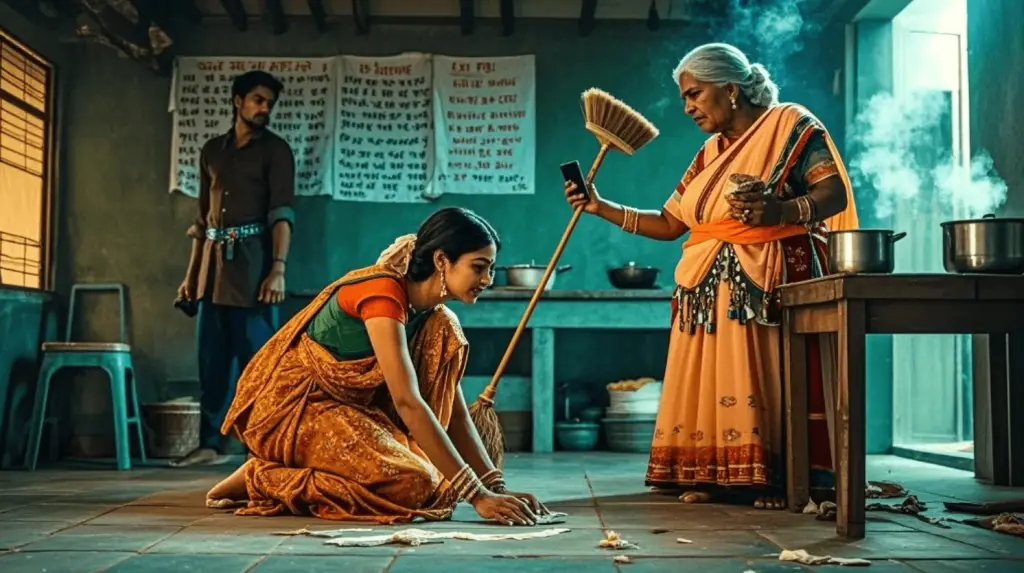 Warning Signs: Your conversations feel forced or superficial. They avoid discussing future plans (career, children, etc.). You notice disrespect toward your beliefs or career ambitions. Case Example: A 2020 Journal of Marriage and Family study found that couples with weak pre-marital compatibility were 3x more likely to divorce within five years. One interviewee admitted, "We never discussed kids. After marriage, he expected me to quit my job and become a homemaker." What to Do: Take time for multiple meetings before deciding. Consider premarital counseling. 5. Signs of Controlling or Abusive Behavior The Problem: Abuse isn’t always physical—emotional manipulation, isolation from family, or financial control are equally dangerous. Some red flags appear even before marriage. Warning Signs: They discourage you from meeting friends/family alone. They display extreme jealousy or anger over minor issues. They make demeaning comments about your appearance or choices. Case Example: A 2023 UN Women report revealed that 30% of Indian women in arranged marriages experienced coercive control. One survivor shared, "He said no one would believe me if I complained. It took years to escape." What to Do: Trust your instincts—if something feels wrong, step back. Contact support services (National Commission for Women Helpline: 7827170170). Conclusion: Balancing Tradition and Safety Arranged marriages can succeed with mutual respect and transparency. However, ignoring red flags can lead to long-term distress. If you recognize these warning signs: ✅ Take time to evaluate the match. ✅ Seek support from trusted friends or counselors. ✅ Know your legal rights (e.g., Protection of Women from Domestic Violence Act). For confidential help, contact: Indian Women Helpline: 1091 National Commission for Women: 7827170170 Disclaimer: This article provides general information, not legal advice. Cultural practices vary; always consult professionals for personal concerns. |
jack
|
2025.04.02


