| Introduction In Indonesia, where 92 million people actively use Instagram—the world’s third-largest user base—a silent epidemic is spreading. Behind the glossy filters of nongkrong (hanging out) posts and lavish wisuda (graduation) photoshoots, a generation of teens is drowning in digital despair.  Studies now link excessive social media use to rising depression rates among Indonesian youth, with FOMO (Fear of Missing Out) and **"highlight reel" comparisons** distorting self-worth. This article explores how Instagram’s curated reality impacts mental health, shares real teen experiences, and offers solutions to break free from this toxic cycle. The Instagram Illusion: Why Indonesian Teens Feel "Less Than" The Data Behind the Depression ✔ 2023 UNICEF Indonesia Report: 1 in 3 teens feels "inadequate" after scrolling Instagram ✔ Indonesian Cyberpsychology Institute: 68% compare their lives negatively to influencers ✔ Ministry of Health Advisory: Social media named a top-3 factor in youth suicide notes Most Toxic Content Triggers **"Aesthetic" Friend Groups** – Perfectly coordinated nongkrong photos create exclusion anxiety Academic Bragging – #UTBK (university test) scores flaunted as success metrics Material Showcases – Titipan (sponsored) unboxings fuel consumerist insecurity Body Comparisons – Edited #OOTD (outfit) posts distort body image standards Case Studies: Lives Behind the Likes The Straight-A Student Who Stopped Eating (2023) Dewi, 17, developed anorexia after obsessively comparing herself to "#fitspo" influencers. "Their thigh gaps looked effortless. Mine never would," she confessed. Her parents only noticed when her grades plummeted. The "Invisible" Boy in Class (2022) Adi, 16, faked stomach aches to skip school after his nongkrong posts got fewer likes than classmates’. "No likes meant I didn’t exist," he told his therapist. The Psychology of Digital Envy Why Instagram Hits Harder Than Reality Algorithmic Amplification – Controversial/aspirational content gets prioritized Cultural Pressure – Gengsi (prestige) culture values visible success Dopamine Dependence – Likes become addictive self-worth currency Sleep Disruption – 73% use phones past midnight (Indonesian Pediatric Society) Digital Wellness Expert Insight: "Teens aren’t comparing themselves to real people—they’re competing with AI-enhanced avatars of perfection." — Dr. Maya Putri, Cyberpsychology Researcher Breaking the Cycle: Practical Solutions For Teens: ✔ Curate Your Feed – Mute triggering accounts; follow #BodyNeutrality activists ✔ Practice "JOMO" – Joy Of Missing Out by scheduling phone-free hours ✔ Reality Check – Remind yourself: "No one posts their 3 AM anxiety attacks" For Parents: ✔ Lead by Example – Avoid phone use during family meals ✔ Encourage Offline Hobbies – Traditional batik or pencak silat classes ✔ Watch for Warning Signs – Sudden social withdrawal or grades dropping For Schools: ✔ Digital Literacy Programs – Teach photo-editing awareness ✔ Peer Support Groups – Safe spaces to discuss social media stress 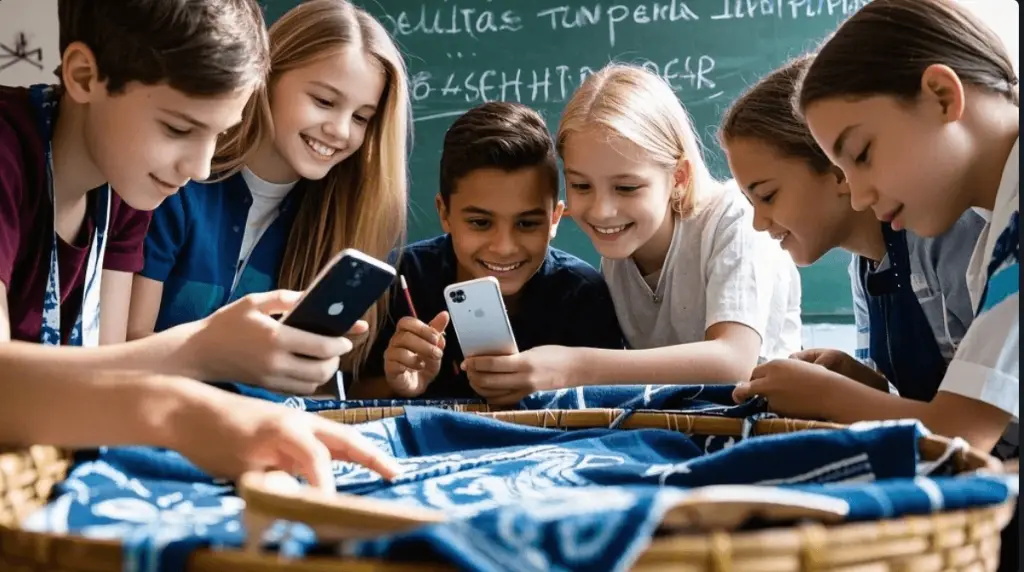 Hope on the Horizon? Positive Shifts ✔ **#AsliTanpaFilter Movement** – Influencers posting unedited skin/texture photos ✔ Ministry of Education Pilots – "Healthy Screens" curriculum in Jakarta schools ✔ Tech Accountability – Instagram now blurs like counts in Indonesia trials Crisis Resources Sejiwa Foundation – Youth mental health hotline (0800-180-0823) Into The Light Indonesia – Suicide prevention specialists KelasKita – Anonymous online counseling for students Conclusion: Rediscovering Real Connection While Instagram won’t disappear, Indonesians are waking up to its psychological costs. The solution isn’t quitting social media—it’s learning to use it without letting it use you. After all, no filter can enhance the most beautiful thing you’ll ever post: your unfiltered, imperfect, authentic self. Disclaimer: Individual experiences vary. This article discusses general trends—consult professionals for personal mental health concerns. |
alice
|
2025.04.02


