| In the remote mountain villages of northern Laos, many Hmong women find themselves trapped in a heartbreaking cycle: married to Vietnamese men who suddenly vanish, leaving them to fend for themselves. These cross-border marriages, often arranged informally, have led to a silent crisis where abandonment, legal uncertainty, and economic hardship disproportionately affect ethnic minority women. While these unions initially offer promises of stability and opportunity, many Hmong brides are left alone when their husbands return to Vietnam, sometimes without warning. The question remains: Why do so many Vietnamese men abandon their Lao wives, and what happens to the women left behind? The Rise of Cross-Border Marriages in Laos In many Hmong communities in Laos, marriage to Vietnamese men is seen as a potential escape from poverty. With economic struggles and limited job opportunities, some families encourage their daughters to marry across the border, hoping for a better future. Why Do These Marriages Happen? Several factors drive these cross-border unions:  Economic hardship – Many Hmong villages in Laos face extreme poverty, and marriage to a Vietnamese husband is often seen as a path to financial stability. Bride shortages in Vietnam – Due to gender imbalances, some Vietnamese men seek wives in Laos, where traditional expectations and dowry customs are different. Lack of formal marriage registration – Many of these marriages are not legally documented, making it easy for husbands to disappear without legal consequences. Cultural similarities – The Hmong ethnic group lives in both Laos and Vietnam, making cross-border unions more socially accepted. However, while some marriages succeed, many Hmong women find themselves abandoned, often with children to support and no legal status to claim assistance. Why Do Vietnamese Men Leave Their Lao Wives? There is no single reason why so many Vietnamese husbands disappear, but several patterns have emerged: 1. Economic Pressure and Job Migration Some Vietnamese men marry Hmong women in Laos but struggle to find stable employment. Many return to Vietnam for work and never come back, either due to financial struggles or the inability to provide for their new families. 2. The Allure of a Second Marriage Since many cross-border marriages are not legally registered, some men remarry in Vietnam while abandoning their first wives in Laos. This is especially common among men who face pressure to marry a Vietnamese woman to satisfy their families or secure financial benefits. 3. Human Trafficking and Exploitation In some cases, cross-border marriages are a cover for human trafficking. Hmong women, often unaware of their legal rights, are sometimes lured to Vietnam and later abandoned, with no way to return home. 4. Social and Cultural Barriers While some Vietnamese men genuinely intend to stay, cultural and language differences often create conflicts. Without formal support systems, many of these marriages break down, leading the husband to leave. The Aftermath: Life for Abandoned Hmong Wives For the women left behind, survival becomes a daily struggle. Many face social stigma, financial hardship, and emotional distress. 1. Single Motherhood Without Support Many abandoned wives have children but receive no financial assistance from their missing husbands. With few economic opportunities, these women must rely on farming or family support to survive. 2. No Legal Protection Since most of these marriages are not officially registered, abandoned women have no legal recourse to demand support or divorce settlements. This lack of documentation also makes it difficult for them to remarry legally or claim property rights. 3. Stigma and Isolation In traditional Hmong society, being abandoned can be seen as a source of shame. Some women are pressured to remarry, while others are ostracized by their communities. 4. Children Without Citizenship Children from these unions often face citizenship issues, especially if the father’s nationality was never officially recorded. Without legal documents, these children struggle to access education and healthcare. Real Stories: The Women Left Behind Mai’s Story (Name Changed for Privacy) Mai, a 22-year-old Hmong woman, married a Vietnamese man who promised to build a life with her in Laos. Within a year, he returned to Vietnam for work—and never came back. Now raising a young child alone, she survives by farming and selling textiles. 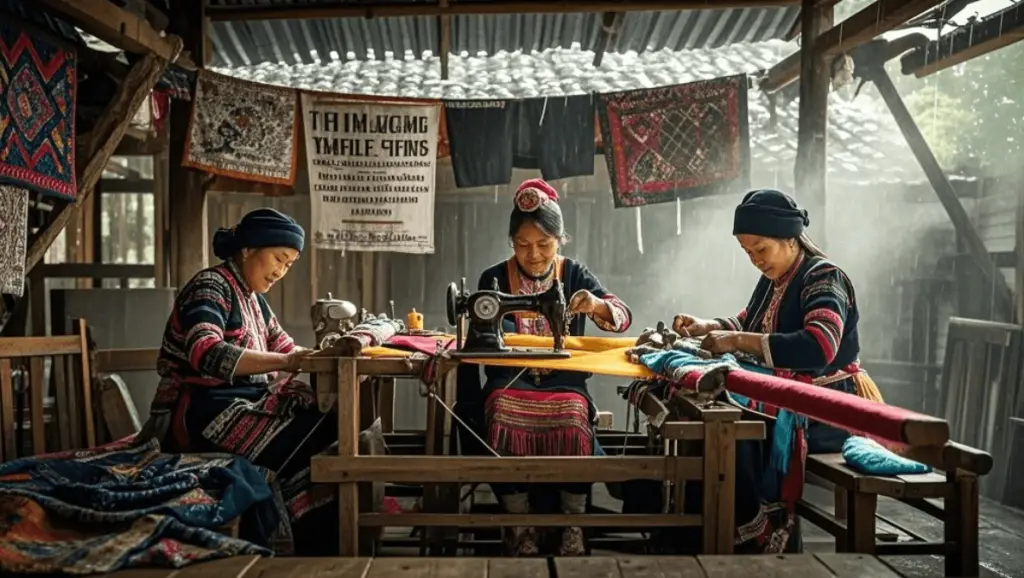 "I don’t know where he is," she says. "He left without saying goodbye, and I have no way to contact him." Xia’s Experience (Name Changed for Privacy) Xia was 16 when her parents arranged her marriage to a Vietnamese man. At first, things seemed fine, but after a few years, her husband disappeared. She later learned he had remarried in Vietnam, leaving her and their two children with nothing. "I feel trapped," Xia explains. "I have no papers, no way to ask for help." What Can Be Done? Solutions and Support Despite the challenges, efforts are being made to support abandoned Hmong women and prevent future cases of cross-border exploitation. 1. Strengthening Legal Protections Governments in both Laos and Vietnam must work together to: Ensure proper marriage registration to protect women’s rights. Create legal mechanisms for abandoned spouses to seek financial support. Crack down on trafficking networks that exploit Hmong women. 2. Providing Economic Opportunities Empowering Hmong women through education and job training can help reduce dependency on cross-border marriages. Programs that support financial independence can give these women a chance to rebuild their lives. 3. Raising Awareness in Rural Communities Educating families about the risks of informal cross-border marriages can help prevent future cases of abandonment. NGOs and local organizations play a crucial role in spreading awareness. 4. Support Networks for Abandoned Wives Creating safe spaces and support groups for women in similar situations can help them find emotional and financial support. Some local NGOs are already working on reintegrating abandoned wives into their communities. Conclusion: A Path Forward for Hmong Women The issue of Vietnamese men abandoning their Hmong wives in Laos highlights the complex intersection of tradition, poverty, and legal loopholes. While these marriages often start with hope, many end in hardship, leaving women and children vulnerable. To address this crisis, governments, NGOs, and community leaders must work together to: Protect women’s rights through legal reforms. Improve economic opportunities to reduce reliance on cross-border marriages. Educate families about the risks of informal unions. Provide support systems for abandoned wives and their children. By tackling the root causes of this issue, Hmong women in Laos can have a future where marriage is a choice, not a trap. Disclaimer: This article is for informational purposes only and does not promote or condone illegal activities. Those in need of assistance should seek help from local support organizations. |
wendy
|
2025.04.02


