| Introduction In Malaysia, where Islamic law permits polygamy under strict conditions, a quiet revolution is unfolding. A growing number of second wives—once expected to accept their status in silence—are now suing husbands for financial neglect, emotional abuse, and even fraudulent marriages.  From Syariah Court battles to constitutional challenges, these women are forcing Malaysia to confront an uncomfortable question: Does religious permission for polygamy justify inequality? This investigation explores the legal, social, and emotional toll of plural marriages—and why more women are refusing to suffer in silence. The Rules of Polygamy in Malaysia Legal Requirements for Additional Wives ✔ Sharia Court Approval – Husbands must prove financial capability and "just need" (e.g., infertility, wife’s chronic illness). ✔ First Wife’s Consent – Technically required but often bypassed via loopholes. ✔ Equal Treatment Mandate – Quran 4:3 demands fair time/resources for each wife. Reality vs. Law Sisters in Islam (2023 Report): 68% of polygamous marriages lack proper approval. Malaysian Syariah Judiciary Dept.: Only 12% of second wives receive equal financial support. Women’s Aid Organisation: 1 in 4 polygamy-related cases involve domestic abuse. Case Studies: When Second Wives Fight Back The Doctor Who Sued for Fraud (Kuala Lumpur, 2023) A cardiologist discovered her husband secretly married a younger woman using a forged first-wife consent letter. The Syariah Court not only annulled the second marriage but ordered him to pay RM500,000 in damages. Lesson: Fraudulent polygamy can carry heavy penalties. The "Unpaid CEO" Case (Penang, 2024) A second wife sued after her businessman husband stopped supporting her and their three children when he took a third wife. The court ruled she was entitled to 30% of his assets as compensation for unpaid maintenance. Precedent Set: Polygamous husbands can’t abandon financial duties. Why Women Are Challenging Polygamy Now Key Drivers of Legal Action ✔ Economic Independence – More women earn their own incomes, reducing fear of backlash. ✔ Awareness of Rights – NGOs like Sisters in Islam educate wives on legal options. ✔ Social Media Pressure – Viral stories shame neglectful husbands into compliance. Generational Shifts Millennial Rejection – Only 17% of Malaysian women under 40 support polygamy (Pew Research). Divorce Surge – 22% increase in wives initiating divorce post-polygamy (Department of Syariah Judiciary). The Husband’s Perspective Pro-Polygamy Arguments ✔ Religious Right – Permitted under Islam if conditions are met. ✔ Population Growth – Some clerics advocate it to increase Muslim demographics. ✔ **"Rescuing" Women** – Claims of marrying widows/divorcees out of charity. 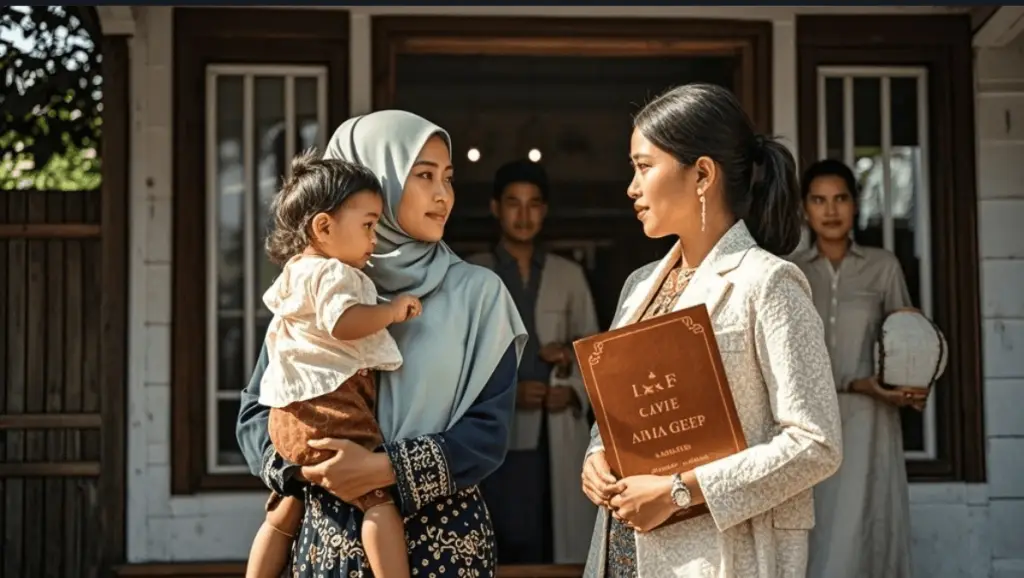 Critics’ Counterpoints Exploitation – Most second wives are younger, poorer, and vulnerable. Hypocrisy – Few men can truly afford or emotionally manage multiple families. Legal Reforms & Loopholes Recent Court Trends ✔ Stronger Consent Verification – Some states now require first wives to testify in person. ✔ Asset Freezes – Courts increasingly seize properties of husbands dodging maintenance. ✔ Custody Bias – Second wives winning more child support cases. Gaps Remain No Criminal Penalty – Fraudulent polygamy is a civil, not criminal, offense. Enforcement Issues – Rural areas often ignore regulations. Resources for Affected Women Sisters in Islam Helpline – Legal aid for polygamy disputes (+603-7960 8802). WAO (Women’s Aid Org.) – Shelter and counseling for abused wives. Syariah Legal Aid Foundation – Free representation for lower-income women. The Bigger Picture: Global Polygamy Trends Where Malaysia Stands ✔ Stricter Than Indonesia – Requires court approval (unlike Indonesia’s notification system). ✔ More Flexible Than Tunisia – Where polygamy is banned outright. Unintended Consequences Brain Drain – Professional women increasingly migrate to monogamy-practicing countries. Underground Polygamy – Some men marry secretly overseas (e.g., Thailand). Conclusion: A System at a Crossroads Malaysia’s polygamy debate isn’t just about religion—it’s about whether Islamic family law can evolve to protect women without compromising theology. As second wives keep winning in court, the message is clear: permission isn’t the same as justice. Disclaimer: This article examines systemic issues, not all polygamous marriages. Some families report harmonious arrangements. |
Andrew
|
2025.04.02


