| Introduction In the bustling streets of Yangon and Mandalay, a quiet revolution unfolds daily—not on protest banners, but in the steam rising from countless tea cups. Myanmar’s tea shops, those ubiquitous street-corner institutions, serve as more than just purveyors of strong brew and samosas. For generations of Burmese men, they’ve functioned as unofficial counseling centers, social safety nets, and escape valves from societal pressures that few other spaces provide.  This article explores how these unassuming establishments became psychological lifelines for men navigating financial stress, family expectations, and the country’s changing social fabric—all while maintaining the delicate balance between cultural tradition and modern mental health awareness. The Anatomy of a Tea Shop Brotherhood Why Tea Shops? Myanmar’s tea culture dates back to British colonial times, but its social function has evolved into something uniquely Burmese: ✔ Neutral Territory – Unlike homes where family hierarchies dominate ✔ Affordable Therapy – At ~500 kyat ($0.15) per cup, cheaper than professional help ✔ 24/7 Availability – Most open before dawn for night-shift workers ✔ Social Equalizer – Lawyers sit beside taxi drivers in shared catharsis A 2022 Yangon University study found: 78% of male respondents visited tea shops ≥3 times weekly 62% said these visits were their "primary stress relief" Only 12% discussed these concerns with family members Case Studies: Lives Changed Over Milk Tea The Fisherman Who Couldn’t Cry at Home (2023) Ko Tin, 42, lost his boat—and livelihood—to cyclone Mocha. While he maintained stoicism for his wife and children, his tea shop friends became the only ones who heard him weep. "Here," he explains, "my tears dissolve in the tea." The Graduate Trapped Between Generations (2022) Zaw Min, 28, spends evenings at a downtown Yangon tea stall avoiding his parents’ marriage ultimatums. His shop friends—some married, some divorced, some happily single—provide perspectives absent from family lectures. The Psychological Sanctuary Effect What Makes These Spaces Therapeutic? Anonymity in Familiarity – Regulars know just enough, but not too much Ritualistic Comfort – The mechanical act of pouring tea eases tension Non-Judgmental Eavesdropping – Overhearing others’ struggles normalizes one’s own Controlled Vulnerability – Emotional exposure without full disclosure Psychologist’s Observation: "These shops function as peer support groups with caffeine. The porcelain cups act like Rorschach tests—men project their struggles onto casual conversations about football or politics." — Dr. Hla Myat, Mental Health Researcher The Changing Face of Tea Shop Culture Modern Challenges to Tradition: ✔ Youth Preferences – Bubble tea shops attract Gen Z but lack intergenerational dialogue ✔ Economic Pressures – Rising rents force some iconic shops to close ✔ Digital Intrusion – Smartphones create physical togetherness but mental isolation Innovations Preserving the Spirit: **"Talk Tables"** – Some shops now reserve tables for depression awareness Mobile Tea Carts – Bringing the tradition to industrial zones Women’s Hours – Evening slots where female patrons can participate When Tea Isn’t Enough: Recognizing Limits While invaluable, these spaces can’t replace professional help for: ⚠ Severe depression – Jokes can mask suicidal ideation ⚠ Domestic violence – Peer advice may reinforce harmful norms ⚠ Addiction issues – Some shops normalize alcoholism 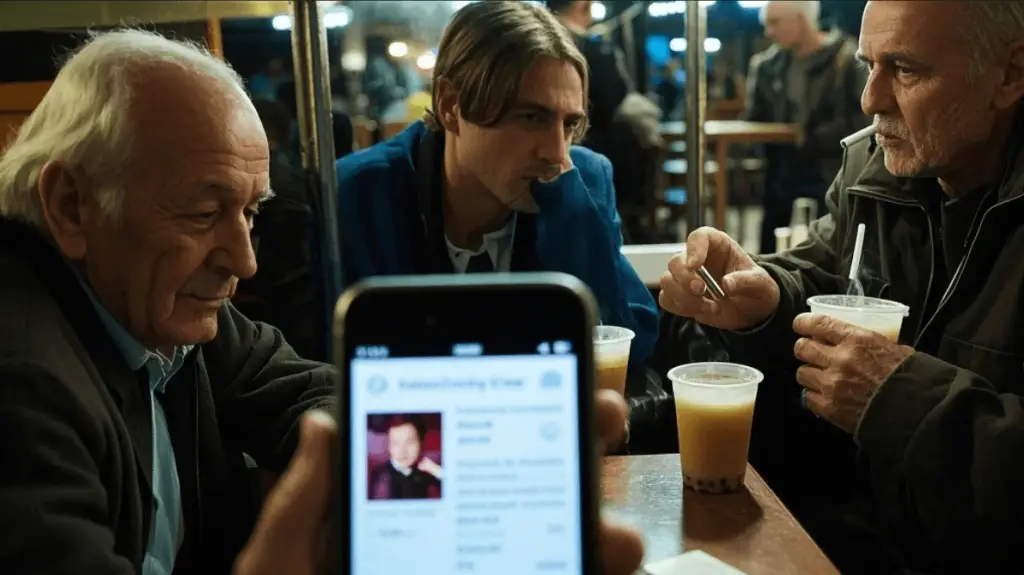 Resources Beyond the Tea Cup For those needing more structured support: Mental Health Myanmar – Free counseling hotline Yangon Stress Clinic – Affordable therapy sessions Thadar Aung – Men’s support group meeting in tea shops Conclusion: Brewing a Healthier Future As Myanmar navigates profound social changes, its tea shops remain vital—but insufficient—havens for male mental health. The challenge lies in preserving their therapeutic essence while bridging them to modern psychological resources. Perhaps the next evolution will see therapists setting up shop beside tea masters, creating spaces where traditional comfort meets clinical care. Disclaimer: Cultural practices vary by region. This article highlights general patterns, not universal experiences. |
wendy
|
2025.04.02


