| In Pakistan, where marriage is often seen as a sacred union, a brutal reality lurks beneath the surface—women being harassed, abused, and even murdered over insufficient dowry. Despite being illegal since 1976, dowry-related violence claims hundreds of lives annually, with many cases going unreported due to family pressure and societal shame. This investigation exposes Pakistan’s dowry death crisis, the legal loopholes that fail victims, and how some women are fighting back against this deadly tradition.  1. The Deadly Price of Dowry in Pakistan What Does Dowry Include? Gold Jewelry (often demanded in tola weights) Cash Payments (ranging from ₨200,000 to ₨2 million+) Household Items (furniture, electronics, even vehicles) By the Numbers ✔ Over 2,000 dowry-related deaths in the past decade (Aurat Foundation) ✔ 1 in 5 Pakistani brides faces dowry harassment (HRCP report) ✔ Only 12% of cases result in convictions (Legal Aid Society) Case Study: The Burning Bride A 24-year-old Karachi woman died in hospital after her in-laws doused her in kerosene. Police found her diary entry: "They said I didn’t bring enough gold. Today they threatened to burn me." 2. How Dowry Demands Turn Deadly Common Forms of Violence Bride Burning – Disguised as "kitchen accidents" Acid Attacks – Permanent disfigurement as punishment Forced Suicides – Women coerced into taking their own lives The "Sickening" Trends ✔ Dowry lists formally presented before weddings ✔ Post-wedding escalation – Demands increase after marriage ✔ Family collusion – Multiple relatives participating in abuse Case Study: The WhatsApp Confession A Lahore man accidentally sent voice notes to his sister detailing plans to "teach his wife a lesson" for inadequate dowry. The audio became key evidence in court. 3. Why Laws Fail to Protect Women Legal Loopholes Law Purpose Reality Dowry and Bridal Gifts Act (1976) Bans dowry demands Rarely enforced; seen as "cultural norm" Anti-Women Practices Act (2011) Criminalizes dowry violence Most cases settled "out of court" Domestic Violence Act (2020) Protects against abuse Implementation remains weak Barriers to Justice Police reluctance ("Family matter" dismissals) Witness intimidation – Victims’ families pressured to withdraw cases Delayed trials – Cases drag for years 4. How Some Women Are Fighting Back Legal Resistance Strategies ✔ FIR First – Filing police reports immediately ✔ Medical Evidence – Documenting injuries privately ✔ NGO Support – War Against Rape provides free lawyers 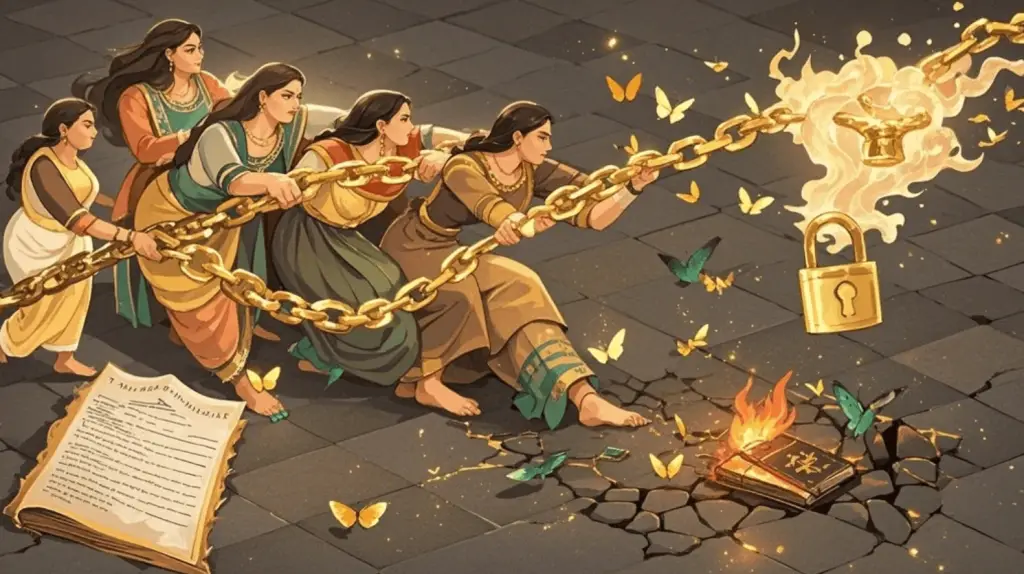 Grassroots Movements **"Girls Not Gold"** campaigns in rural Punjab Social media exposés (#NoMoreDowryDeaths) Case Study: The Survivor Who Became a Lawyer After surviving a dowry attack, a Gujranwala woman studied law and now represents 15 other victims pro bono. 5. The Role of Society in Perpetuating Dowry Cultural Justifications **"It’s tradition"** – Normalizing financial demands **"Good families do it discreetly"** – Maintaining appearances Economic factors – Groom’s family seen as "investors" The Groom’s Perspective "My mother says if we don’t ask, people will think something is wrong with us." – 28-year-old Lahore engineer 6. How to Protect Yourself or Loved Ones Pre-Marriage Precautions ✅ Discuss dowry openly – Refuse demands early ✅ Legal prenups – Registering gifts as bride’s property ✅ Financial independence – Secret savings for emergencies If Already Trapped Document everything (photos, voice recordings) Contact helplines: Aurat Foundation: 042-111-222-958 Madadgar Helpline: 15-11 7. Is Change Possible? Signs of Progress ✔ Stricter court rulings – Life sentences in recent bride burning cases ✔ Youth activism – More grooms refusing dowry publicly ✔ Media spotlight – Dramas like Udaari raising awareness But Challenges Remain Underground dowry – Disguised as "voluntary gifts" Slow legal reforms – Provincial disparities in enforcement Conclusion: Breaking the Cycle Dowry deaths aren’t accidents—they’re murders enabled by silence. Real change requires: ✔ Stronger law enforcement ✔ Economic empowerment for women ✔ Societal shame shifting from victims to perpetrators Disclaimer: Names changed for safety. Laws vary by province. This article cites verified sources but doesn’t substitute legal advice. |
wendy
|
2025.04.02


