| In Pakistan, where tradition often clashes with modern rights, forced marriages remain a harsh reality for countless women. Despite legal protections, many are pressured into unions against their will—sometimes as teenagers, sometimes under threats of violence. But change is coming. A growing number of women are fighting back, using legal loopholes, Islamic divorce rights, and underground support networks to reclaim their freedom. This investigation reveals how forced marriages persist, how victims are escaping, and where the system still fails them.  1. The Stark Reality of Forced Marriages in Pakistan By the Numbers 1,000+ cases reported annually (Aurat Foundation, 2023) 72% involve women under 24 (HRCP data) Only 1 in 5 cases reach courts Why It Still Happens ✔ Family "Honor" – Daughters treated as property ✔ Debt Settlements – Vani/Swatara tribal customs ✔ Cousin Marriages – Pressure to "keep wealth in family" Case Study: Ayesha’s Story At 19, Ayesha* was forced to marry her 35-year-old cousin. "When I refused, my uncle showed me a pistol," she recounts. Two years later, she escaped using the khula (Islamic divorce) process—but lost custody of her daughter. 2. Legal Loopholes vs. Women’s Rights Pakistan’s Contradictory Laws Law Protection Reality Child Marriage Restraint Act (1929) Bans under-18 marriages Rarely enforced in rural areas Muslim Family Laws Ordinance (1961) Allows khula divorces Courts often side with husbands Anti-Rape Laws (2021) Criminalizes marital rape Nearly impossible to prove The Courtroom Battle **"Judge asked why I’m rejecting a ‘good Muslim man’"** – Lahore divorce seeker Average khula case takes 11 months (Legal Aid Society data) 3. Escape Routes: How Women Are Breaking Free 1. Islamic Divorce (Khula) Process: Woman returns dowry to leave marriage Hurdle: Many judges demand husband’s consent 2. Shelter Networks Edhi Foundation – Secret safe houses in 12 cities War Against Rape – Legal aid for victims 3. Digital Resistance Encrypted apps like Signal coordinate escapes Facebook groups like **"Pakistani Women Rising"** share lawyer contacts Case Study: The WhatsApp Escape A Karachi woman fled during a hospital visit after allies messaged her a coded warning: "Your mother’s prescription is ready." 4. Why The System Still Fails Victims Police Complicity **"Go home, be obedient"** – Common response to complaints Bribes to suppress cases – Up to ₨200,000 reported Social Backlash 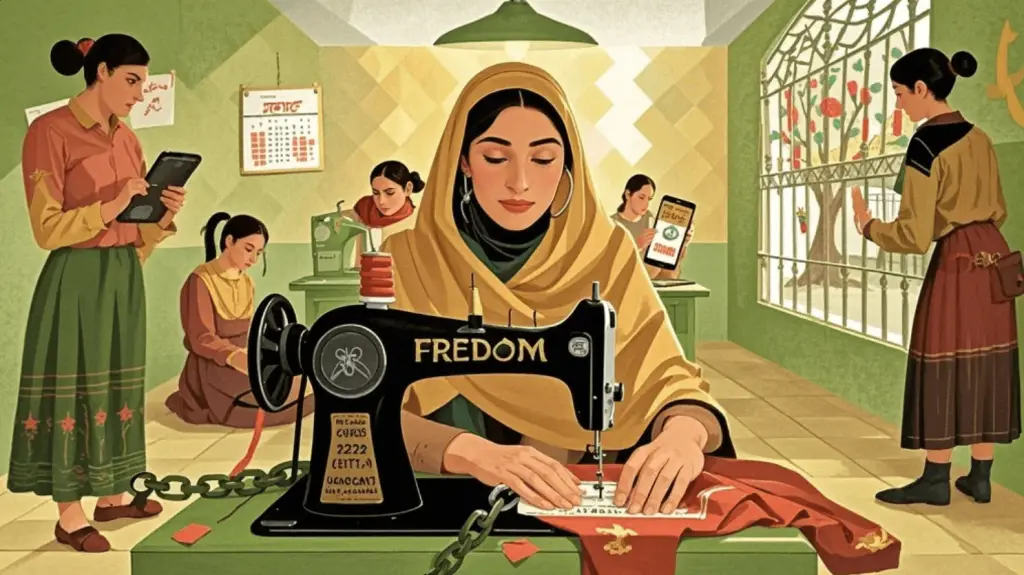 Disowned by families – 68% of escaped women (Sindh Women’s Commission) Forced into hiding – Some change cities, even names 5. Signs of Progress in 2024 Landmark Cases 2023: LHC ruled no woman can be forced into nikah 2024: First-ever conviction for Vani marriage in KP New Helplines Ministry of Human Rights: 1099 (24/7) Madadgar National Helpline: 15-11 (Police-linked) 6. How You Can Help (Safely) For Witnesses Record evidence (photos, audio) discreetly Contact NGOs first – Avoid direct confrontation For Victims ✅ Memorize emergency numbers ✅ Keep digital copies of ID documents ✅ Use "SMS blast" apps to alert networks if detained Conclusion: A Slow Road to Freedom While Pakistan’s forced marriage crisis persists, brave women—and some reformed judges—are chipping away at centuries of oppression. Real change requires: ✔ Stricter enforcement of existing laws ✔ More women in policing/judiciary ✔ Societal shame shifting from victims to perpetrators Disclaimer: Names/changed for safety. Laws vary by province. Consult a lawyer before legal action. "My parents said I’d die alone. Now I run a tailoring shop and mentor other survivors." – Former forced marriage victim, now activist Have you witnessed forced marriage situations? Share insights (anonymously) below. |
Andrew
|
2025.04.02


