| In Pakistan, where traditional values and Islamic principles shape social norms, open dating remains a controversial topic. Yet, beneath the surface, a hidden world of relationships thrives—where young couples navigate love, secrecy, and societal expectations. While many adhere to halal dating (relationships within Islamic boundaries), others engage in discreet romances, fearing backlash from conservative families. This article explores Pakistan’s secret dating culture, the risks involved, and how couples maintain their relationships in a society where love often stays behind closed doors. 1. The Concept of Halal Dating in Pakistan What is Halal Dating? In Islamic tradition, halal dating refers to courtship with the intention of marriage, avoiding physical intimacy and maintaining modesty. Many young Pakistanis adopt this approach to balance religious values with modern romance. 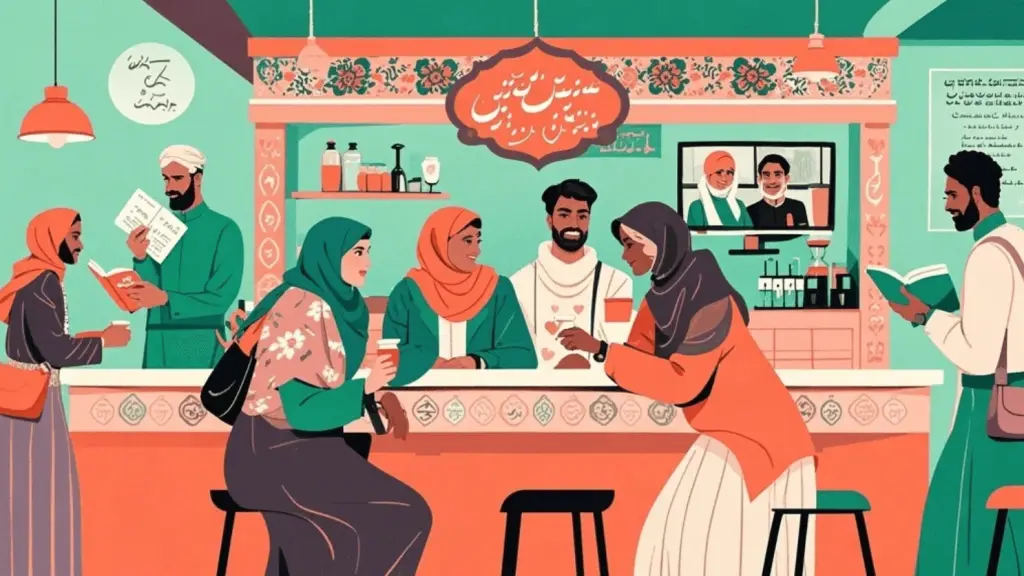 How It Works: Supervised Meetings: Couples meet in family-approved settings, often with a mehram (a male guardian present). Limited Communication: Interactions may be restricted to phone calls or texts under parental supervision. Quick Nikahs: Some opt for early Islamic marriage (nikah) to legitimize their relationship before a formal wedding. The Challenges: Family Disapproval: Even halal relationships face scrutiny if not arranged traditionally. Social Stigma: Couples risk gossip or ostracization if their relationship becomes public. Case Example: A 2022 survey by Gallup Pakistan found that 62% of young adults preferred halal dating over Western-style relationships. One respondent shared, "We kept it halal, but my parents still rejected him because he was from a different caste." 2. The Rise of Hidden Relationships Why Do Couples Keep Love a Secret? In a conservative society, many young Pakistanis hide their relationships to avoid: Family Honor Concerns – Fear of izzat (honor) being compromised. Forced Marriages – Parents may reject a self-chosen partner. Legal Risks – In extreme cases, couples face threats of violence or honor killings. Common Secrecy Tactics: Social Media Codes: Couples use fake accounts or coded language (e.g., "best friend" instead of "boyfriend"). Secret Meetups: Dates happen in cafes, parks, or malls far from their neighborhoods. Trusted Middlemen: Friends or cousins act as messengers to avoid direct contact. Case Example: A 2021 Human Rights Watch report documented cases where couples eloped due to family opposition. One woman, who wished to remain anonymous, said, "We met in university, but my brother would have beaten me if he found out." 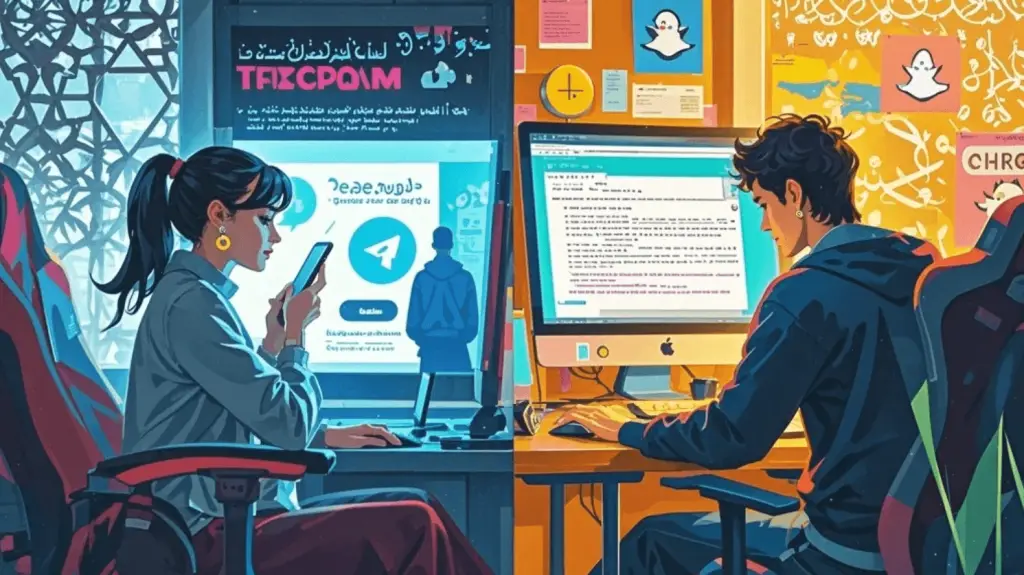 3. The Role of Technology in Secret Dating Apps & Messaging Platforms: With smartphones, hidden relationships have become easier to maintain: WhatsApp Secret Chats: Couples use disappearing messages or locked chats. Instagram Finstas: Fake accounts to avoid detection. Dating Apps (Discreetly): Some use platforms like Muzmatch (for Muslims) under pseudonyms. The Risks: Blackmail: Screenshots can be used against couples. Cyber Harassment: Women, in particular, face online shaming if exposed. Case Example: A 2023 Digital Rights Foundation study found that 45% of Pakistani women in hidden relationships feared their chats being leaked. One man shared, "Her cousin hacked her phone and sent our texts to her father. We had to break up." 4. When Secrecy Leads to Danger Honor-Based Violence: In extreme cases, hidden relationships can trigger violent reactions: Forced Separation – Families may send one partner abroad. Threats & Abuse – Some couples face physical harm if discovered. Honor Killings – Though illegal, over 1,000 cases were reported in the past decade (Aurat Foundation). Case Example: In 2022, a Lahore court sentenced a man to life imprisonment for killing his sister after discovering her secret boyfriend. The case highlighted the dangers of defying family expectations. What to Do If Threatened: Seek Legal Help: Organizations like War Against Rape (WAR) offer support. Emergency Helplines: Pakistan Women’s Helpline: 1099 Aurat Foundation: 042-111-222-958 5. Balancing Love & Tradition: Is Change Coming? Shifting Attitudes Among Youth: Urban vs. Rural Divide: Cities like Karachi and Lahore are more accepting than villages. Influence of Media: Dramas and social media normalize love marriages gradually. Elopement & Court Marriages: Some couples legally marry under the 1961 Muslim Family Laws Ordinance. Case Example: A 2023 Dawn survey revealed that 38% of young Pakistanis now support love marriages, compared to just 15% a decade ago. Advice for Couples: Gradual Disclosure: Introduce partners as friends first. Seek Mediation: Involve elders who may be more open-minded. Know Your Rights: The law protects consenting adults (18+) from forced marriage. Conclusion: Love in the Shadows Pakistan’s secret dating culture reflects a clash between tradition and modern desires. While some couples navigate halal dating safely, others face severe risks. If you or someone you know is in danger: ✅ Contact helplines for legal & emotional support. ✅ Avoid risky exposures (e.g., leaked messages). ✅ Consider counseling for family reconciliation. Disclaimer: This article discusses cultural trends, not religious rulings. Individual experiences vary; always prioritize safety. |
mike
|
2025.04.02


