| Introduction In the remote villages of Punjab and Khyber Pakhtunkhwa, a medieval form of justice still thrives—one where little girls become currency to settle men’s disputes. Known as Vani or Swara, this custom forces families to surrender daughters as compensation for murders, debts, or tribal conflicts. Despite being illegal since 2004, the practice persists under the shadow of jirgas (tribal councils), leaving generations of girls to pay for crimes they didn’t commit. This investigation uncovers how Vani survives in modern Pakistan, its devastating consequences, and where victims can seek help. 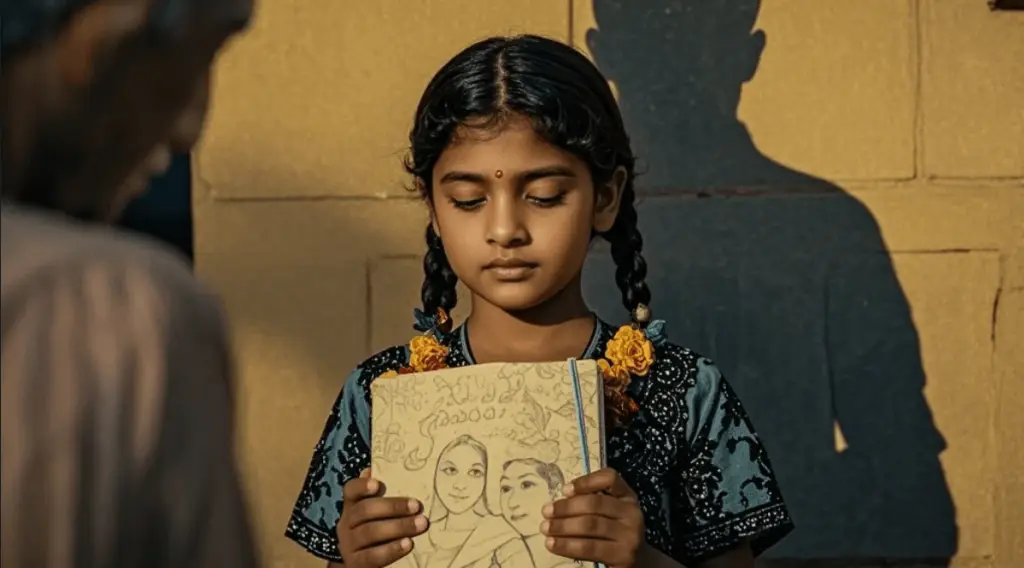 How Vani "Justice" Works The Process of Trading Girls A Crime Occurs – Murder, land dispute, or alleged dishonor between families/tribes. Jirga Intervention – Elder-dominated councils bypass courts to "resolve" conflicts. Girls as Bargaining Chips – Daughters (sometimes as young as 5) are offered to the victim’s family. Forced Marriage – The girl is wed to the aggrieved party, often an adult male relative of the victim. Why It Persists ✔ Tribal Authority – Jirgas hold more sway than police in remote areas. ✔ Poverty & Illiteracy – Impoverished families see no alternative. ✔ Normalization – Some communities consider it "honorable compromise." Pakistan’s Human Rights Commission (2023) estimates: 200+ Vani cases annually (actual numbers likely higher due to underreporting). 92% of victims never attend school post-marriage. 67% involve minors, though exact ages are often concealed. Case Studies: Lives Stolen Young The Girl Who Paid for Her Uncle’s Crime (2022, South Punjab) A 12-year-old was handed over after her uncle allegedly murdered a neighbor. The jirga decreed she’d marry the dead man’s 45-year-old brother. Local activists intervened, but the family refused help, fearing backlash. Lesson: Fear of tribal retaliation silences many victims. The Double Vani Tragedy (2023, KPK) Two sisters—ages 8 and 10—were given to settle a land dispute. The younger died within months from alleged spousal abuse; the elder remains missing. Lesson: When girls resist, outcomes turn deadly. The Legal Paradox: Banned but Flourishing Pakistan’s Contradictory Stance ✔ Illegal Under Law – Vani prohibited by the Criminal Law Act (2004) and Child Marriage Restraint Act (1929). ✔ Weak Enforcement – Only 11 convictions since 2004 (per National Commission on the Status of Women). Why Laws Fail Police Complicity – Many officers belong to the same tribal networks. Out-of-Court Settlements – Families withdraw complaints after "reconciliation." No Birth Records – Most victims lack proof of being minors. Voices from the Ground Tribal Elder’s Defense: "Vani prevents bloodshed. One girl’s sacrifice saves dozens of lives." — Anonymous jirga member (2023 interview) Survivor’s Truth: "I was a human peace treaty. My childhood ended at seven." — Zahra (pseudonym), rescued via NGO Breaking the Cycle: Pathways to Justice For Victims: ✔ Shelter Networks – Sahil and War Against Rape provide safe houses. ✔ Legal Aid – AGHS Legal Cell files habeas corpus petitions for trapped girls. ✔ Education – Schools like Dar-ul-Sukun offer clandestine enrollment. 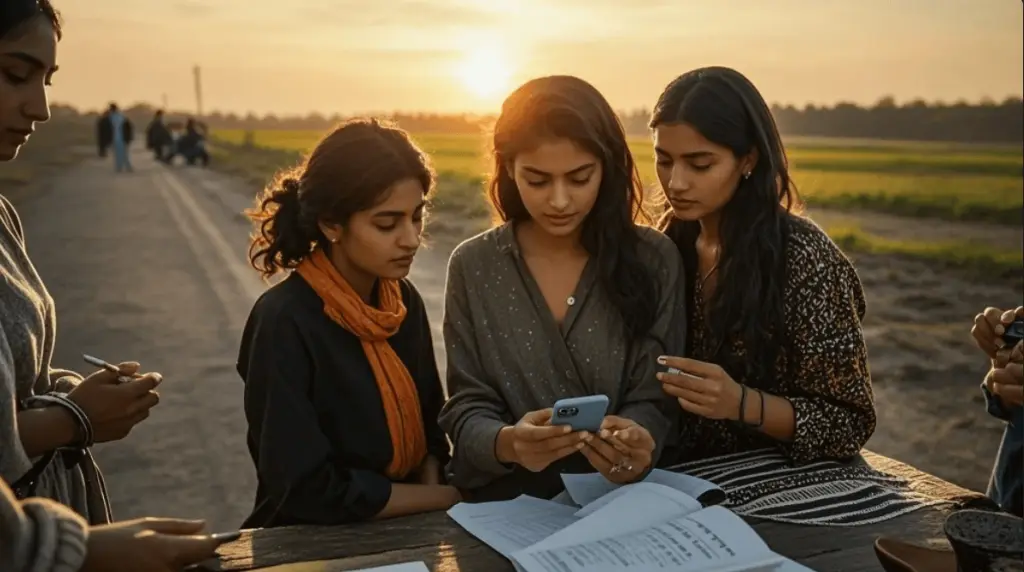 For Reformers: ✔ Alternative Dispute Resolution – Training progressive mediators to replace jirgas. ✔ Awareness Campaigns – Imams preaching against Vani in Friday sermons. ✔ Tech Alerts – PAWAA app lets villagers anonymously report cases. Where to Seek Help Sahil Helpline: 111-113-112 (child protection) AGHS Legal Aid: +92-42-35941920 Ministry of Human Rights: 1099 (toll-free) Global Parallels & Pakistan’s Unique Challenges Similar Customs Worldwide ✔ Vietnam’s "Hôn nhân hòa giải" – Conflict-resolution marriages. ✔ Afghanistan’s "Baad" – Girl-gifting to end feuds. Why Pakistan Struggles More Parallel Justice Systems – Jirgas operate outside state authority. Patriarchal Interpretation of Islam – Misused to justify the practice. Geographic Isolation – Poor infrastructure hinders law enforcement. Conclusion: From Human Tribute to Human Rights Vani survives not because Pakistanis are cruel, but because systems fail the vulnerable. While legislation exists, real change requires: ✔ Grassroots education to erode tradition’s grip. ✔ Economic alternatives so poverty doesn’t force compliance. ✔ Brave policing to treat Vani as kidnapping, not "custom." Until then, girls remain Pakistan’s cheapest conflict-resolution tool. Disclaimer: Cultural sensitivities apply. This article critiques systems, not communities, and avoids graphic trauma details. |
wendy
|
2025.04.02


