In the rural villages of Vietnam, an increasing number of men are struggling to find wives, leading to a growing social issue often referred to as the "rural bachelor crisis." This phenomenon is shaped by economic hardships, gender imbalances, and migration trends. As more young women leave the countryside in search of better opportunities, many poor farmers are left behind, facing difficulties in securing a life partner.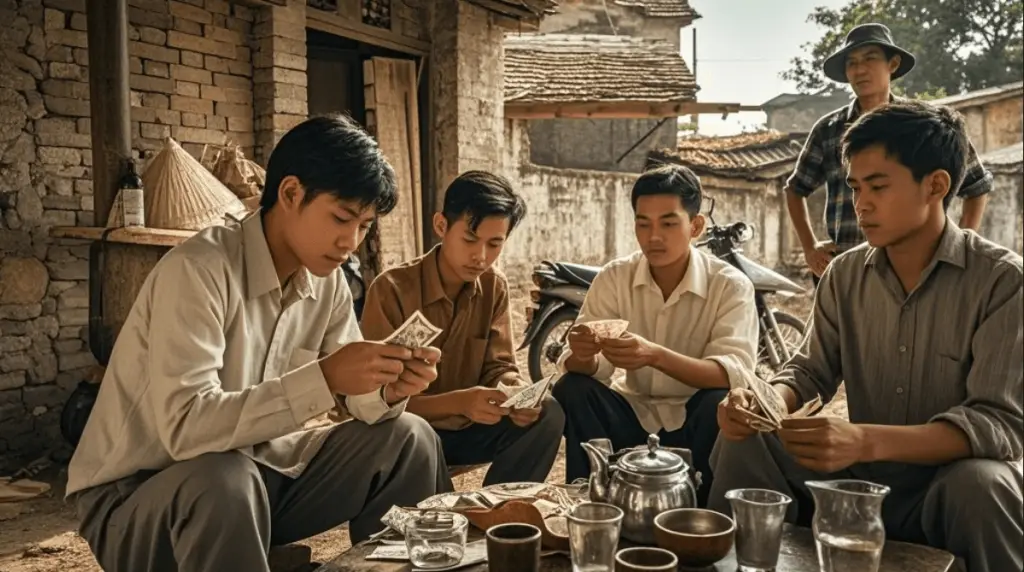 The Economic Challenges of Marriage For many men in rural Vietnam, financial instability is a major obstacle to marriage. A stable income is often seen as a prerequisite for starting a family, and those earning low wages worry about their ability to provide for a spouse and children. With the rising cost of living and limited job opportunities in rural areas, many young men feel discouraged from even considering marriage. At the same time, societal expectations add to the pressure. In Vietnam, traditional gender roles often dictate that men should be the primary breadwinners. Without financial security, many rural men find themselves deemed "unmarriageable" by potential partners and their families. This economic disparity creates a growing divide between those who can afford marriage and those who cannot. Gender Imbalance and Migration Trends Another major factor contributing to the bachelor crisis is Vietnam’s gender imbalance. The preference for male children has led to a surplus of men in many rural areas. This issue is further compounded by the fact that many young women from these regions are choosing to migrate to cities or even foreign countries in search of better opportunities. In urban centers, women have greater access to education and career prospects, making them less dependent on traditional marriage for financial security. Additionally, international marriage has become an attractive option for many Vietnamese women, with a significant number marrying foreign men in countries such as South Korea, Taiwan, and China. This migration further reduces the number of marriageable women in rural Vietnam, leaving many local men without prospects. Social Consequences of the Bachelor Crisis The inability of rural men to find wives has broader implications for Vietnamese society. One of the most concerning issues is the impact on birth rates. As fewer people get married and start families, Vietnam faces a potential population decline in the future. This could lead to labor shortages and economic challenges as the aging population increases. Additionally, the loneliness and social isolation experienced by many unmarried men can lead to mental health concerns. In some cases, this frustration manifests in negative ways, such as increased rates of substance abuse or participation in risky behaviors. The lack of family support structures also means that these men may struggle with economic and emotional hardships as they grow older. Addressing the Crisis Recognizing the seriousness of the issue, various initiatives have been introduced to help alleviate the problem: Economic Development Programs – Improving job opportunities in rural areas can help young men achieve financial stability, making them more attractive marriage prospects. Investments in local industries and agricultural advancements can provide better income opportunities for farmers. Marriage Support Services – Some community organizations offer matchmaking services to help rural men find potential partners. These programs aim to bridge the gap between urban and rural populations, making it easier for people to connect regardless of their location. Encouraging Gender Equality – Changing traditional attitudes about gender roles can also help. If women are given more opportunities to stay and thrive in rural areas, they may be less likely to migrate to cities or overseas. Providing equal access to education, employment, and leadership roles can empower women to see their futures in their home communities.  Government Policies – Vietnam has introduced measures to encourage marriage and family-building, including financial incentives and housing support for young couples. By making it easier for people to start families, authorities hope to counteract the negative effects of the bachelor crisis. Conclusion Vietnam’s rural bachelor crisis is a complex issue rooted in economic, social, and demographic factors. While it presents significant challenges, there are also opportunities for change through economic development, social support programs, and policy reforms. By addressing the underlying causes of the problem, Vietnam can create a more balanced and inclusive society where everyone has the chance to build a fulfilling future. Disclaimer: This article is for informational purposes only and does not offer direct solutions or legal advice. Individuals facing difficulties related to marriage or social isolation are encouraged to seek support from community organizations and counseling services. |
wendy
|
2025.04.02


