| India’s obsession with fair skin runs deep—from matrimonial ads demanding "wheatish" or "fair" brides to billion-dollar skin-lightening industries. Despite global movements embracing diversity, a 2022 study by the Centre for Social Research found that 70% of Indian matrimonial ads still mention skin tone as a key criterion. This article explores why color bias persists in Indian marriages, its psychological and social consequences, and whether change is possible in a society still captivated by colonial-era beauty standards. 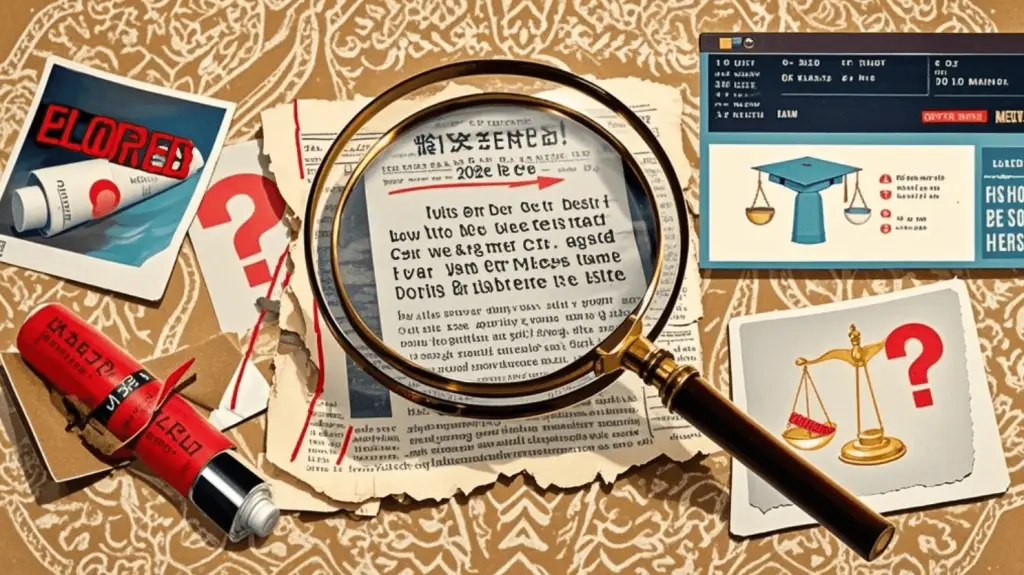 1. The Historical Roots of Color Bias Colonial Influence & Caste Connections British Rule: Lighter skin became associated with power and privilege. Bollywood & Media: Fair actors dominate lead roles, reinforcing stereotypes. Caste Dynamics: Darker skin is often (wrongly) linked to lower castes or labor-intensive work. Case Example: A 2023 Indian Journal of Psychological Medicine study revealed that dark-skinned women were 30% less likely to receive marriage proposals compared to their fairer counterparts, even with similar qualifications. 2. The Modern Marriage Market: Fair = "Beautiful"? Matrimonial Ads Speak Volumes **"Looking for fair, homely girl"** – A common phrase in arranged marriage listings. **"Wheatish complexion acceptable"** – A "compromise" some families make. The Dowry Connection Darker-skinned brides often face higher dowry demands to "compensate." A 2021 UN Women report noted cases where grooms’ families rejected brides after seeing them in person due to skin tone. 3. The Psychological Toll on Women Self-Esteem & Mental Health Skin-lightening creams (many containing harmful chemicals) remain a **$500 million industry** in India. Depression & Anxiety: Many women report feeling "unworthy" due to colorist remarks. Case Example: A 24-year-old Delhi woman shared anonymously: "My own mother told me to use fairness creams before meeting potential grooms. I felt like my achievements didn’t matter." 4. Why Do Indian Men Still Want Fair Brides? Social Status & Family Pressure **"What will relatives say?"** – Fear of judgment drives preferences. Misconception About Genetics: Some believe fair skin guarantees "better-looking" children. The "Trophy Wife" Mentality Fairness is often equated with beauty, sophistication, and higher class. Case Example: A Mumbai-based matchmaker admitted: "Even educated grooms say, ‘I don’t mind dark, but my parents won’t agree.’" 5. Is Change Finally Happening? Positive Shifts in Recent Years **#UnfairAndLovely Movement** – Challenges colorist norms. Dark-Skinned Role Models – Actresses like Nandita Das speak out. Some Matrimonial Sites now allow filtering out caste/skin tone demands. But Progress Is Slow Fairness cream ads still dominate (though some brands now rebrand as "glow" creams). Families resist when brides defy norms. 6. How to Fight Colorism in Marriage For Families & Couples ✅ Focus on compatibility, not complexion. ✅ Call out relatives who make colorist remarks. ✅ Support campaigns that celebrate dark skin. 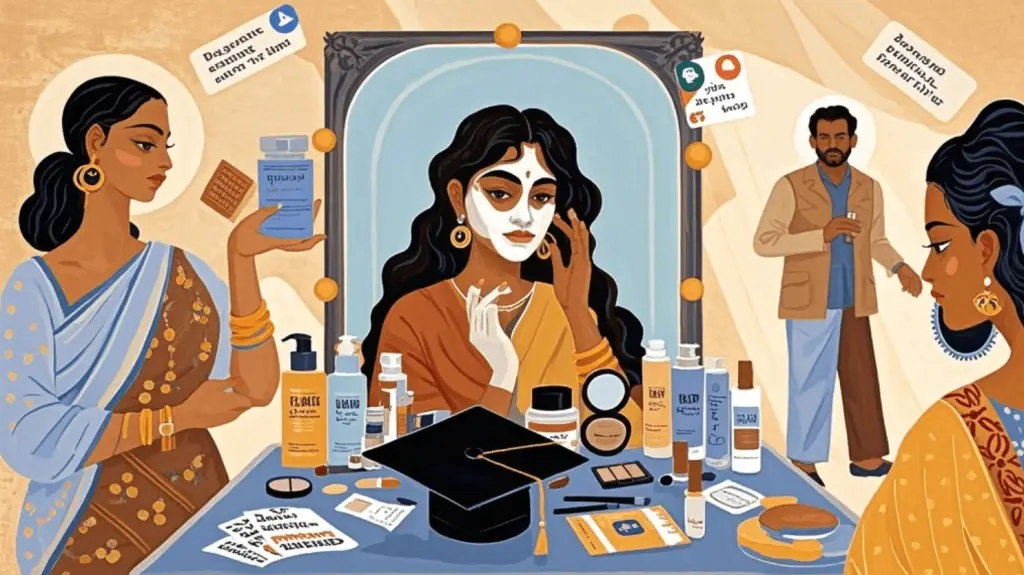 For Women Facing Discrimination Seek supportive communities (e.g., Dark Is Beautiful NGO). Mental health helplines: Vandrevala Foundation: 1860-266-2345 iCall Psychosocial Helpline: 9152987821 Conclusion: Will India Ever Move Beyond Fairness? While deep-seated biases won’t vanish overnight, awareness is growing. Real change starts when: Men refuse to let skin tone dictate love. Families prioritize character over color. Society stops equating fairness with worth. Disclaimer: This article discusses cultural trends, not individual choices. Many Indians are actively challenging colorism. |
haley
|
2025.04.02


